Hey there! If you’re into the wastewater treatment scene or just curious about how we keep our water clean, you’re in for a treat. I’m a supplier of Travelling Bridge Sludge Scrapers, and today, I’m gonna break down the main components of these nifty machines. Travelling Bridge Sludge Scraper

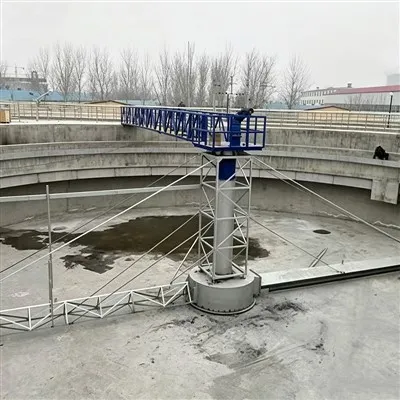
Let’s start with the bridge itself. The travelling bridge is like the backbone of the sludge scraper. It’s a long, sturdy structure that spans across the top of the clarifier tank. Picture it as a sort of movable platform that glides back and forth. It’s usually made of high – strength steel or other durable materials. Why? Well, it has to support all the other components and move around without buckling under the weight. Some bridges are designed to be adjustable in height, which is super handy for different tank depths and operational needs.
On the bridge, we have the drive system. This is what makes the bridge move. There are different types of drive systems out there. One common type is the electric motor drive. These motors are connected to a gearbox, which then turns the wheels or tracks of the bridge. The operator can control the speed and direction of the bridge through a control panel. It’s important to have a reliable drive system because if the bridge stops moving, the whole sludge – scraping process comes to a halt. Some drive systems also come with safety features like overload protection, so you don’t have to worry about burning out the motor.
Now, let’s talk about the sludge scraping mechanism. This is the part that actually gets rid of the sludge at the bottom of the tank. There are usually a series of blades or scrapers attached to a chain or a cable. As the bridge moves, these scrapers are dragged along the bottom of the tank. The blades are angled in such a way that they push the sludge towards the center or the end of the tank, where it can be collected and removed. The design of the blades is crucial. They need to be sharp enough to cut through the sludge but also durable enough to withstand the abrasive nature of the sludge. Some scrapers are made of rubber, while others are made of metal. It depends on the type of sludge and the specific requirements of the treatment plant.
Another important component is the skimmer. The skimmer is responsible for removing floating debris and scum from the surface of the water. It’s usually located at the front of the bridge. As the bridge moves forward, the skimmer skims the surface of the water, collecting any floating materials. These materials are then directed into a collection trough, where they can be emptied out. This is essential for keeping the water surface clean and preventing debris from clogging up other parts of the treatment system.
We also have the control system. This is like the brain of the Travelling Bridge Sludge Scraper. The control system allows the operator to monitor and manage the operation of the machine. It can control the speed of the bridge, the movement of the scrapers, and even the operation of the skimmer. With modern control systems, you can set up automated schedules, so the sludge scraper runs at specific times and speeds. Some control systems also have diagnostic features, which can detect problems and alert the operator. This saves a lot of time and effort in terms of maintenance and troubleshooting.
Now, let me tell you about the gearing and bearings. The gearing is used to transfer power from the motor to the wheels or tracks of the bridge. It has to be precisely engineered to ensure smooth and efficient operation. The bearings support the rotating parts of the machine, like the axles and the shafts. Good quality bearings reduce friction and wear, which means less maintenance and a longer lifespan for the sludge scraper.
The electrical wiring is another often – overlooked but crucial component. All the electrical components, like the motors, sensors, and control panels, need to be properly wired. The wiring has to be protected from moisture, corrosion, and physical damage. Improper wiring can lead to electrical failures, which can not only stop the machine from working but also pose a safety hazard.
Finally, we have the sensors. Sensors are used to monitor various parameters of the sludge scraper. For example, level sensors can detect the level of sludge in the tank. If the sludge level gets too high, the sensor can trigger the sludge scraper to start working or adjust its speed. There are also sensors for monitoring the position of the bridge, the speed of the motor, and the temperature of the electrical components. These sensors provide valuable data that helps in optimizing the operation of the sludge scraper.
So, there you have it, the main components of a Travelling Bridge Sludge Scraper. Each component plays a vital role in ensuring the efficient and effective removal of sludge from clarifier tanks in wastewater treatment plants. Whether you’re running a small – scale treatment facility or a large industrial plant, having a well – designed and reliable sludge scraper is essential for keeping your water clean.
If you’re in the market for a Travelling Bridge Sludge Scraper, I’d love to have a chat with you. We can discuss your specific needs, the design options available, and how our products can fit into your wastewater treatment setup. Don’t hesitate to reach out and start the discussion about your potential purchase.
Side-entry Agitator References
- Environmental Engineering Textbooks on Wastewater Treatment
- Industry – specific Journals on Water and Wastewater Equipment
Shandong Ningye Machinery Equipment Co., Ltd.
Shandong Ningye Machinery Equipment Co., Ltd. is one of the most reliable travelling bridge sludge scraper manufacturers and suppliers in China. With abundant experience, we warmly welcome you to buy discount travelling bridge sludge scraper made in China here from our factory. Quality products and low price are available.
Address: Workshop No. 16, Dongcao Village Industrial Park, Guangda East Road, Songguantun Subdistrict, Economic and Technical Development Zone, Dezhou City, Shandong Province
E-mail: ningyejixie@163.com
WebSite: https://www.cn-ningye.com/
