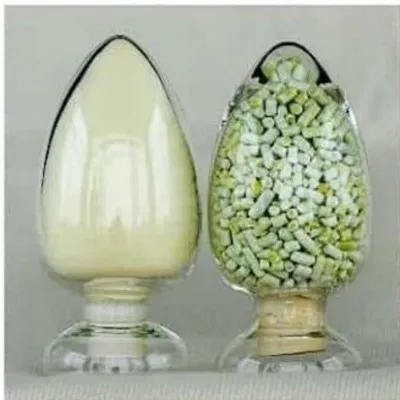
Flotation is a widely used mineral processing method that relies on the differences in the surface properties of minerals to separate valuable minerals from gangue. Dithiophosphate is one of the most commonly used collectors in the flotation process, known for its strong collecting ability and good selectivity for various sulfide minerals. As a dithiophosphate supplier, I understand the importance of optimizing its dosage in flotation operations. In this blog, I will share some insights on how to achieve this optimization. Dithiophosphate
Understanding the Role of Dithiophosphate in Flotation
Before delving into dosage optimization, it’s crucial to understand how dithiophosphate works in the flotation process. Dithiophosphates are organic compounds that contain sulfur atoms. When added to the flotation pulp, they adsorb onto the surface of sulfide minerals, changing the surface hydrophobicity. This hydrophobicity allows the minerals to attach to air bubbles, which then rise to the surface of the flotation cell, forming a froth layer that can be skimmed off to recover the valuable minerals.
The effectiveness of dithiophosphate depends on several factors, including the type of mineral being floated, the pulp pH, the presence of other reagents, and the particle size of the minerals. Different minerals have different affinities for dithiophosphate, and the optimal dosage can vary significantly depending on these factors.
Factors Affecting the Optimal Dosage of Dithiophosphate
Mineral Type and Composition
The type of sulfide mineral is one of the most important factors influencing the dosage of dithiophosphate. For example, copper sulfide minerals such as chalcopyrite generally require a different dosage compared to lead or zinc sulfide minerals. Additionally, the presence of other minerals in the ore can also affect the dosage. Gangue minerals may adsorb some of the dithiophosphate, reducing its availability for the target minerals. Therefore, a detailed analysis of the ore composition is necessary to determine the appropriate dosage.
Pulp pH
The pH of the flotation pulp plays a crucial role in the adsorption of dithiophosphate onto mineral surfaces. Different minerals have different optimal pH ranges for dithiophosphate adsorption. For example, some minerals may require an acidic pH, while others perform better under alkaline conditions. Maintaining the correct pH can enhance the collecting ability of dithiophosphate and improve the flotation efficiency.
Particle Size
The particle size of the minerals also affects the dosage of dithiophosphate. Finer particles have a larger surface area, which requires more dithiophosphate for complete coverage. On the other hand, coarser particles may require less dithiophosphate but may have lower flotation rates. Therefore, the particle size distribution of the ore should be considered when determining the dosage.
Presence of Other Reagents
Other reagents used in the flotation process, such as frothers and depressants, can interact with dithiophosphate and affect its performance. For example, some frothers may enhance the adsorption of dithiophosphate onto mineral surfaces, while depressants may reduce its effectiveness. Therefore, the dosage of dithiophosphate should be adjusted in conjunction with the use of other reagents.
Methods for Optimizing the Dosage of Dithiophosphate
Laboratory Testing
Laboratory testing is the most common method for optimizing the dosage of dithiophosphate. A series of flotation tests are conducted using different dosages of dithiophosphate under controlled conditions. The results of these tests, such as the recovery and grade of the valuable minerals, are then analyzed to determine the optimal dosage. Laboratory testing allows for the evaluation of different factors, such as pulp pH, particle size, and the presence of other reagents, and can provide valuable insights into the flotation behavior of the ore.
Pilot Plant Trials
Pilot plant trials are conducted on a larger scale than laboratory tests and can provide more realistic data on the performance of dithiophosphate in a commercial flotation operation. These trials allow for the optimization of the dosage based on the actual ore feed and operating conditions. The results of pilot plant trials can be used to fine-tune the dosage of dithiophosphate before full-scale production.
On-Line Monitoring and Control
On-line monitoring and control systems can be used to continuously monitor the flotation process and adjust the dosage of dithiophosphate in real-time. These systems use sensors to measure various parameters, such as the pulp pH, the concentration of valuable minerals, and the froth properties, and then use this information to optimize the dosage. On-line monitoring and control can improve the efficiency of the flotation process and reduce the consumption of dithiophosphate.
Case Studies
Case Study 1: Copper Sulfide Flotation
In a copper sulfide flotation operation, laboratory tests were conducted to optimize the dosage of dithiophosphate. The tests showed that the optimal dosage was 100 g/t of ore at a pulp pH of 8.5. Pilot plant trials were then conducted using this dosage, and the results showed a significant improvement in the copper recovery and grade compared to the previous operating conditions. The on-line monitoring system was also installed to continuously monitor the flotation process and adjust the dosage as needed. As a result, the consumption of dithiophosphate was reduced by 15% while maintaining the same copper recovery and grade.
Case Study 2: Lead-Zinc Sulfide Flotation
In a lead-zinc sulfide flotation operation, the optimal dosage of dithiophosphate was determined through a combination of laboratory testing and pilot plant trials. The results showed that the optimal dosage was 150 g/t of ore for lead flotation and 200 g/t of ore for zinc flotation at a pulp pH of 9.0. The on-line monitoring system was also used to control the dosage, and the results showed a 10% increase in the lead and zinc recovery and a 5% improvement in the grade compared to the previous operating conditions.
Conclusion
Esters Optimizing the dosage of dithiophosphate in flotation is essential for improving the efficiency of the mineral processing operation and reducing the cost of reagents. By understanding the factors affecting the optimal dosage, using appropriate methods for optimization, and conducting case studies, it is possible to achieve significant improvements in the flotation performance. As a dithiophosphate supplier, I am committed to providing high-quality products and technical support to help our customers optimize their flotation operations. If you are interested in learning more about our dithiophosphate products or need assistance with dosage optimization, please feel free to contact us for a procurement discussion.
References
- Fuerstenau, D. W., & Han, K. N. (2003). Principles of Flotation. SME.
- Wills, B. A., & Napier-Munn, T. (2006). Wills’ Mineral Processing Technology: An Introduction to the Practical Aspects of Ore Treatment and Mineral Recovery. Butterworth-Heinemann.
- Somasundaran, P., & Fuerstenau, D. W. (1973). Adsorption and flotation studies of dithiophosphates. Journal of Colloid and Interface Science, 42(2), 267-280.
Bitop Bihope Qingdao Mining Co., Ltd
Bitop Bihope Qingdao Mining Co., Ltd. is one of the most professional dthiophosphate manufacturers and suppliers in China, featured by quality products and low price. Please rest assured to buy discount dthiophosphate in stock here and get quotation from our factory. Customized orders are welcome.
Address: Room 410, 4th Floor, Shengquan Business Building, No. 263 Yitong Road, Huangdao District, Qingdao City, Shandong Province, China
E-mail: btbhmining@163.com
WebSite: https://www.btbhmining.com/
