As a supplier of suspended storage tanks, I’ve had numerous discussions with clients about the capacity of these essential storage solutions. Understanding the capacity of a typical suspended storage tank is crucial for various industries, from chemical processing to water treatment and energy storage. In this blog, I’ll delve into the factors that determine tank capacity, the typical ranges available in the market, and how to choose the right capacity for your specific needs. Suspended Storage Tank
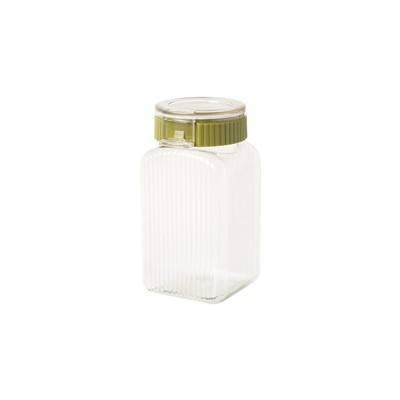
Factors Determining the Capacity of Suspended Storage Tanks
The capacity of a suspended storage tank is not a one – size – fits – all specification. It is influenced by several key factors:
Structural Design
The structural integrity of the tank plays a significant role in determining its capacity. The materials used in construction, such as steel, fiberglass, or plastic, have different strength characteristics. Steel tanks, for example, are known for their high strength and can be designed to hold large volumes of liquid or gas. The design of the suspension system also matters. A well – engineered suspension structure can evenly distribute the weight of the tank and its contents, allowing for larger capacities. The number of supports, their placement, and the type of attachment mechanism all impact the overall stability and, consequently, the capacity.
Location and Site Conditions
The location where the suspended storage tank will be installed is another critical factor. Local building codes and regulations may impose restrictions on the maximum size and capacity of tanks. For instance, in areas prone to earthquakes or high winds, tanks need to be designed to withstand these environmental forces. The available space on the site also limits the physical size of the tank. A cramped installation area may necessitate a smaller – capacity tank, while a large, open space can accommodate larger units.
Intended Use
The purpose for which the tank will be used dictates its capacity requirements. In a chemical manufacturing plant, large – capacity tanks may be needed to store raw materials or finished products in bulk. On the other hand, a small – scale water treatment facility may only require a tank with a relatively small capacity for storing treated water. The rate of consumption or production also affects the choice of capacity. If the fluid is used or produced at a high rate, a larger tank may be needed to ensure a continuous supply.
Typical Capacity Ranges
Suspended storage tanks come in a wide range of capacities, depending on the industry and application.
Small – Capacity Tanks
For residential or small – scale commercial applications, such as rainwater harvesting or small – volume chemical storage, tanks with capacities ranging from 100 to 1000 liters are common. These tanks are usually made of plastic or fiberglass and are relatively easy to install. They are often used for storing water for gardening, or small amounts of chemicals for laboratory use.
Medium – Capacity Tanks
In the mid – range, capacities typically fall between 1000 liters and 10,000 liters. These tanks are suitable for small to medium – sized industrial operations, such as local food processing plants or small – scale breweries. They can be used to store ingredients, intermediate products, or waste materials. Medium – capacity steel tanks are often used in these applications due to their durability and ability to withstand the rigors of industrial use.
Large – Capacity Tanks
For large – scale industrial and municipal applications, tanks with capacities exceeding 10,000 liters are the norm. In the oil and gas industry, for example, suspended storage tanks can have capacities in the hundreds of thousands or even millions of liters. These large – capacity tanks are used to store crude oil, refined products, or natural gas. They require sophisticated design and engineering to ensure safety and structural integrity.
Choosing the Right Capacity for Your Needs
Selecting the appropriate capacity for a suspended storage tank is a decision that requires careful consideration.
Conduct a Needs Assessment
Start by evaluating your current and future requirements. Determine the volume of fluid or material that needs to be stored, the rate of consumption or production, and any seasonal variations in demand. For example, a water treatment plant may experience higher demand during the summer months, so the tank capacity should be sufficient to meet this peak demand.
Consider Future Expansion
If there is a possibility of business growth or expansion in the future, it’s advisable to choose a tank with a slightly larger capacity than your current needs. This can save you the cost and hassle of replacing the tank later. However, be cautious not to over – size the tank, as this can lead to unnecessary capital expenditure and increased operating costs.
Consult with Experts
As a supplier, I have extensive experience in helping clients choose the right tank capacity. Our team of engineers and technicians can conduct on – site assessments, analyze your specific requirements, and provide professional advice. We can also help you understand the local regulations and ensure that the tank you choose complies with all relevant standards.
Why Choose Our Suspended Storage Tanks
At our company, we take pride in offering high – quality suspended storage tanks with a wide range of capacity options. Our tanks are designed and manufactured to the highest standards, using the latest technology and best – in – class materials.
Quality Assurance
We have a rigorous quality control process in place to ensure that every tank we produce meets or exceeds industry standards. From the initial design phase to the final installation, we conduct multiple inspections and tests to ensure the integrity and performance of the tank.
Customization
We understand that every client has unique requirements. That’s why we offer customized solutions to meet your specific needs. Whether you need a small – capacity tank for a specialized application or a large – scale tank for industrial use, we can design and manufacture a tank that fits your exact specifications.
After – Sales Support
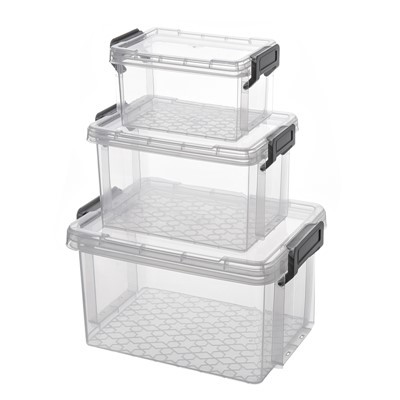
Our commitment to our clients doesn’t end with the sale. We provide comprehensive after – sales support, including installation, maintenance, and repair services. Our team of experts is always available to answer your questions and provide assistance whenever you need it.
Customized Storage Basket If you’re in the market for a suspended storage tank, we invite you to contact us to discuss your requirements. Our experienced sales team can provide you with detailed information about our products, help you choose the right capacity, and offer a competitive quote. We’re confident that our suspended storage tanks will meet your needs and provide reliable, long – term storage solutions.
References
- ASME Boiler and Pressure Vessel Code, which provides standards for the design, fabrication, and inspection of pressure vessels, including storage tanks.
- API Standards (American Petroleum Institute), which are widely used in the oil and gas industry for the design and construction of storage tanks.
- UL Standards (Underwriters Laboratories), which cover various aspects of tank safety, including fire resistance and structural integrity.
Hangzhou Cheerhope New Materials Co., Ltd.
As one of the most professional suspended storage tank manufacturers and suppliers in China, we offer a wide range of products with superior quality. Please rest assured to wholesale bulk durable suspended storage tank made in China here from our factory. Contact us for more discount information.
Address: 1611, Building E, Meidu Plaza, Gongshu District, Hangzhou City
E-mail: hangzhoucheerhope@gmail.com
WebSite: https://www.chinastoragebox.com/
