Hey there, let’s cut to the chase. If you’re running a manufacturing shop floor, construction site, or any space that relies on hydraulic production equipment, you already know the worst feeling—when that big press, injection molder, or conveyor line dies out out of nowhere, and your whole production schedule goes up in smoke. I’ve been in this game for over 12 years now, running a hydraulic production equipment supply shop, and I’ve seen way too many companies waste money replacing gear prematurely or fixing avoidable breakdowns that cost them thousands in downtime. Today I’m breaking down exactly how to keep your hydraulic gear running for the long haul, no fancy jargon required. Hydraulic Industry Production Equipment
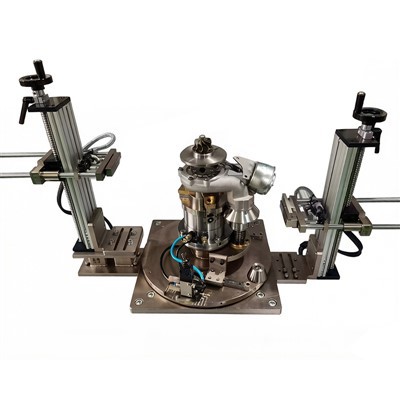
First off, let’s get one thing straight: hydraulic equipment isn’t “set it and forget it.” A lot of new clients come to us after buying cheap, generic gear, running it 24/7 without a second thought, and then wondering why the pumps or cylinders seize up within a year. That’s not the equipment’s fault—that’s bad maintenance and operation. I’m not saying you need a team of engineers on staff, but there are a few basic steps that will add years to your rigs and cut your repair costs by half, easy.
Let’s start with the most basic (and most skipped) thing: regular fluid checks. Hydraulic fluid is the lifeblood of the whole system, right? If your blood gets dirty or low, your body shuts down—same logic here. I can’t tell you how many times I’ve pulled a broken pump apart and found the fluid full of metal shavings, water, or just way too low, like the guy was topping it off with motor oil instead of hydraulic fluid. Dude, that’s a death sentence for your system. Here’s what you actually need to do: check fluid levels every single shift. Don’t just glance at the sight glass—wipe it off first, because a smudged sight glass will make you think you’ve got enough when you’re actually running on fumes. Then, test the fluid quality every three months. You don’t need to send it to a lab (unless you’re running super heavy-duty 24/7 operations, even then most of our clients don’t). Just do a quick visual: is it clear amber? If it’s dark, smells burnt, or has gunk floating in it, it’s time to change it. And for the love of all that’s holy—use the right fluid. Don’t mix brands, don’t use thinner stuff just because it’s cheaper, and make sure it matches your equipment’s specs. We include a fluid cheat sheet with every machine we sell, and I still have clients calling up saying they “forgot” to check it. Don’t be that guy.
Next up: filter maintenance. Filters are the bouncers of your hydraulic system—they catch all the dirt, metal particles, and gunk that would otherwise wear out your pump and cylinders. But guess what? Filters don’t do squat if you don’t replace them on time. A lot of operators will wait until the pressure drops or the machine starts making weird noises before changing filters. By then, you’ve already got tiny particles grinding away at your expensive parts like sandpaper. Here’s my rule of thumb: replace your return and suction filters every 500 operating hours, or every three months—whichever comes first. If you’re working in super dusty environments (like construction sites or wood shops), bump that up to every 200 hours. Also, don’t cheap out on filters. Generic filters might fit, but they don’t have the right micron rating to catch the tiny stuff that causes real damage. We always recommend OEM or high-grade aftermarket filters, and we keep stock of them for all the equipment we sell so our clients don’t have to hunt around.
Now, let’s talk about pressure settings. This is another big one. A lot of operators crank up the pressure on their machines just to get the job done faster, or they leave it set high all the time even if the task doesn’t need it. Let me tell you: if your machine is rated for 3000 PSI, but you only need 1500 PSI for a particular job, running it at full pressure 24/7 is like driving your car at 100 mph every single trip—it’s gonna wear out way faster. I see this all the time with injection molders and presses. The owner cranks up the pressure because he thinks it’ll make parts come out quicker, and within a year the seals blow, the pump wears out, and he’s stuck paying for a $5,000 repair. My advice: check your pressure settings for every job. Most equipment has a simple pressure gauge and adjustment knob—take five minutes to tweak it to exactly what you need. If you’re not sure, the machine manual (or us, if you bought from us) has a pressure guide for common tasks. Also, make sure you check pressure gauges regularly. If they’re reading wrong, you’ll either run too high (damaging parts) or too low (wasting energy and time). A $20 gauge fix can save you thousands in long run.
Then there’s lubrication for moving parts—people always forget this, but hydraulic equipment has lots of moving parts beyond the fluid system: rods, hinges, bearings, all that stuff. The cylinders, for example, have piston rods that move in and out every cycle. If you don’t lubricate those rods regularly, they’ll get rusty, scratch the seals, and leak fluid. That’s a simple fix: every shift, wipe down the piston rod and apply a light, food-safe or industrial-grade lubricant (depending on your industry—we have specific recommendations for food and pharma clients). Also, check for loose bolts and connections. Vibration from running the machine will make bolts work themselves loose over time. Tighten them every 1000 hours, or after a few weeks of running a new machine. I once had a client who didn’t tighten a loose suction line bolt, and the machine ran with air in the system for months, cavitating the pump so bad he had to replace it a year early. Air in the system is another big no—causes noise, vibration, and wear. Bleed your lines every time you change fluid or filters, and if you notice the machine acting spongy or making a groaning noise, bleed it again right away.
Now, let’s get to operator training. This is one of the most overlooked parts of long-term equipment life, and it’s such a simple fix. I’ve seen great machines ruined by operators who don’t know what they’re doing—rushing through cycles, forcing the machine to do a task it’s not built for, ignoring warning lights. When we sell equipment, we don’t just drop it off and leave. We train every operator, and we offer refresher training any time, because a trained operator is way more likely to spot small issues before they become big problems. For example, an untrained operator might see a tiny leak and think it’s no big deal, but a trained one will know that leak is a seal going bad, and if they fix it now, they avoid a $2,000 cylinder replacement later. We also tell our clients to keep an equipment log. Just a simple notebook (or a spreadsheet) where every operator writes down how long the machine ran, if there were any weird noises, leaks, pressure changes, or any other odd stuff. That log is gold—when something breaks, you can look back and see if it was a recurring issue, and it helps us diagnose problems way faster. Plus, it holds operators accountable, so they don’t skip maintenance steps.
Wait, let’s talk about environmental factors too, because a lot of people don’t consider that. If your hydraulic equipment is sitting in a freezing unheated warehouse, the fluid gets thick and doesn’t flow right, putting extra strain on the pump. If it’s in a super hot dusty area, the fluid breaks down faster, and dust gets into the system easier. What to do? Keep your machine in a climate-controlled space if possible. If not, add insulation for cold weather, and covers to keep dust and debris off when it’s not running. Also, keep the machine’s cooling system clean—most hydraulic systems have a radiator or cooler to keep the fluid from overheating. If that cooler is clogged with dust, the fluid gets too hot, breaks down faster, and causes all sorts of issues. We suggest blowing out coolers every month with compressed air, just be careful not to bend the fins.
Oh, and here’s a big one: don’t ignore small warning signs. A lot of operators will say “it’s just a little noise” or “just a small leak” and keep going, but those are the machine’s way of telling you something’s wrong. Let’s list the common ones: unusual noises (grinding, knocking, hissing), slow cycle times, fluid leaks, pressure drops, or the machine acting “spongy.” If you notice any of these, stop the machine, check it out, and fix it. Don’t wait for it to get worse. Last year, a client of mine had a press making a little clunking noise every cycle. He thought it was normal, kept running it for three months, and when he finally called us, the crankshaft was broken, and the whole press had to be rebuilt. That repair cost him $15,000, plus two weeks of downtime. If he’d fixed that clunk when it first started, it would’ve cost him $500 in parts and labor. Way worth it.
Now, let’s talk about when to call in the pros. I know a lot of guys like to do their own repairs, and that’s fine for small stuff like changing filters or topping off fluid, but when it comes to major repairs, don’t mess around. We get calls all the time from guys who tried to fix a pump themselves, messed up the internal parts, and now need a full replacement. If you’re not sure how to fix something, or if the repair involves opening the pump, cylinder, or control system, call a reputable supplier or technician. That’s what we’re here for, right? We offer on-site service, or if you need to ship the part, we have fast turnaround times. Also, when you’re replacing parts, make sure they’re compatible with your equipment. Generic parts might be cheaper, but they don’t last as long, and they can even damage your machine further. We always use genuine OEM parts or high-quality aftermarket parts that are tested to work with our equipment, so you know they’ll fit and perform.
Let me wrap this up with a quick summary, because I know you’re busy. To keep your hydraulic production equipment running for years, not just months:
- Check fluid levels and quality every shift, change and top off with the right fluid on schedule.
- Replace filters every 500 hours (200 if you’re in dusty/dirty conditions), use good filters.
- Set pressure exactly to what you need for each job, don’t run at max pressure unnecessarily.
- Lubricate moving parts (rods, bearings) regularly, tighten loose bolts, bleed air lines when needed.
- Train your operators and keep an equipment log to track issues.
- Protect your machine from extreme temperatures and dust, keep coolers clean.
- Don’t ignore small warning signs—fix leaks, noises, pressure issues right away.
- Call the pros for major repairs, use quality compatible parts.
Look, I’ve been doing this for over a decade, and I’ve seen hundreds of machines go from lasting 2 years to lasting 10+ years just by following these simple steps. It’s not rocket science, it’s just consistent, basic care. If you follow this, you’ll cut your downtime, save money on repairs and replacements, and keep your production running smoothly.
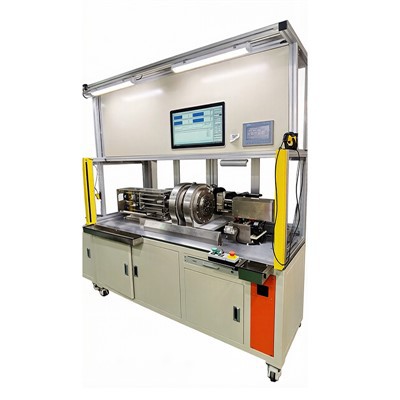
If you’re shopping for hydraulic equipment, or you already have gear that’s giving you trouble, hit us up to talk about your needs. We’ll help you pick the right equipment, train your team, and set up a maintenance plan that works for your shop. No pressure, no sales pitch—just honest advice from someone who’s been in the hydraulic game a long time and wants to see your business succeed.
Automotive Industry Production Equipment References:
- Hydraulic Maintenance: Best Practices for Long-Term Equipment Reliability, National Fluid Power Association, 2022.
- Industrial Hydraulic Equipment Operation & Maintenance Guidelines, Occupational Safety and Health Administration (OSHA), 2021.
- Fluid Filtration Standards for Hydraulic Systems, International Organization for Standardization (ISO) 4406, 2017.
Shanghai Zenyan Automation Engineering Co., Ltd.
As one of the leading hydraulic industry production equipment manufacturers in China, we warmly welcome you to buy advanced hydraulic industry production equipment made in China here from our factory. All customized machines are with high quality and low price. Contact us for quotation.
Address: 3rd Floor, Building A, No.5629 Beisong Road, Chedun Town, Songjiang District, Shanghai, China
E-mail: zenyan_sh@163.com
WebSite: https://www.zenyanauto.com/
