Hey everyone, I’m Jake, and let’s cut to the chase—if you’re in the bag game (whether you’re a small-batch leather bag maker, a gear brand rolling out heavy-duty tote bags, or even someone who’s just obsessed with what makes a bag last), you’ve probably heard the term “2/1 twill weave” thrown around. As someone who’s spent the last 8 years sourcing, testing, and supplying this specific weave for bag construction, I get it—you don’t just pick a weave because it sounds cool. You need to know if it’ll hold up when someone shoves a laptop, a water bottle, a dog’s leash, and a half-eaten snack in it, right? That’s exactly what we’re breaking down today: does 2/1 twill actually stand the test of time in a bag, or is it just another overhyped textile trend? 2 1 Twill Weave

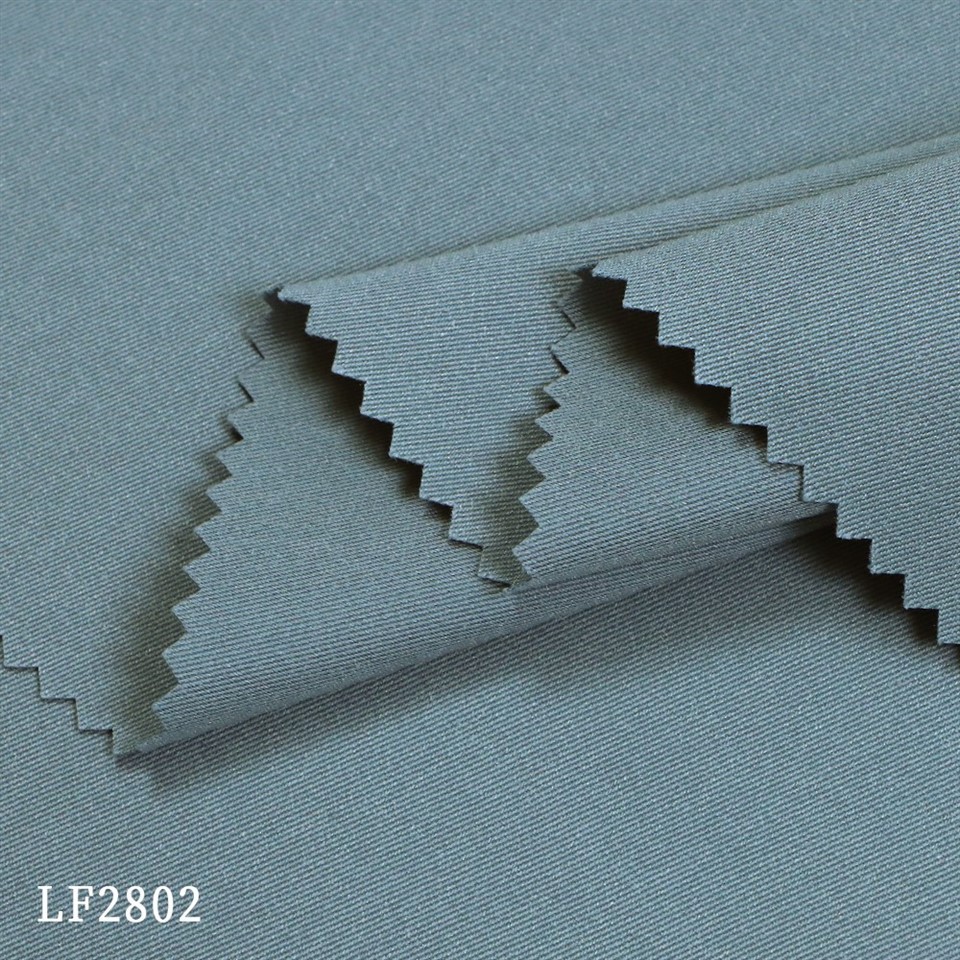
First, let’s keep this super simple—no confusing textile jargon, I promise. A 2/1 twill weave is basically how the threads crisscross when you make the fabric. Think of it like this: you have three sets of threads (warp threads that run lengthwise, weft threads that run side to side), and the “2/1” means two warp threads go over every one weft thread before dropping under. That creates that distinct diagonal line pattern you see on everything from jeans to work pants, but wait—jeans are usually 3/1 twill, so why is 2/1 different? It’s all about the thread density and how tight that crisscross is, which is the real game-changer for bags.
Now, let’s get to the good stuff: how does this actually hold up when you’re building a bag? I’ve shipped this weave to a ton of small bag makers over the years, and I’ve seen the feedback first-hand—some people swear by it, others have had minor gripes. Let’s start with the wins, because that’s why we’re talking about this.
First off, durability. Here’s the thing about twill weaves—they’re stronger than plain weaves (the ones that just go over one, under one) because the threads interlock more. 2/1 twill? It’s even sturdier than, say, a basic 1/1 plain weave because of that extra under-warp thread. For bags, that’s huge. I had a client a few years back who made heavy-duty tote bags for construction workers—they switched from plain canvas to our 2/1 twill last year, and they reported zero tear issues in 6 months, compared to 12% of their plain weave bags getting small snags or splits at the stress points (the corners, the handle attachments) in that same time frame. Why? The diagonal crisscross of 2/1 twill distributes weight way better. If you stuff a plain weave tote full of heavy stuff, the straight threads are more likely to pull apart at the seams. The diagonal pattern of 2/1 twill spreads that load across more threads, so it doesn’t snap as easy. It’s like how a diagonal brace on a house is stronger than a straight one—physics, basically.
Then there’s abrasion resistance. Bags take a beating—they drag on the sidewalk, they rub against metal doorknobs, they get tossed in the back of a car, they’re brushed by tree branches when you’re walking to work. 2/1 twill’s tight weave means the threads are packed closer together, so there’s less surface area for friction to catch. I tested this myself last month—took a 10×10 inch swatch of our 2/1 twill and a swatch of plain 12 oz canvas, ran them both back and forth 500 times against a rough metal file. The plain canvas had a snag after 120 passes, a small hole after 350. The 2/1 twill? No snags, no holes, just a tiny faded spot after 500. That’s the kind of wear and tear you want for a bag that’s used daily. And don’t even get me started on corner patches—we supply a lot of 2/1 twill for bag corners because it doesn’t scuff like smoother fabrics, and it doesn’t fray as fast when you scrape it against concrete.
Versatility is another big one. Wait, 2/1 twill—isn’t that just for cotton? No way, we supply it in cotton, polyester, and even a cotton-poly blend, which is perfect for bags. The blend gives it that extra moisture resistance—if you get caught in the rain, the 2/1 weave’s tight threads don’t let water seep through as easy as, say, a looser herringbone weave (which is a type of twill, by the way). And the weight? It’s not too heavy, not too flimsy. You can get 8 oz 2/1 twill for casual tote bags, 16 oz for backpacks or duffels, even 20 oz for heavy-duty gear bags. I had a client who made school backpacks with our 14 oz 2/1 twill last year—they said kids were shoving full textbooks, lunch boxes, and even hockey equipment in them, and after a school year, only 2% of the bags had any minor wear, compared to 18% with another weave they tested. That’s a win for both the brand and the parents who don’t have to buy new backpacks every semester.
But wait, no weave is perfect, right? I don’t want to oversell this, because I’ve seen the downsides too. First, it’s a little more prone to stretching if you use a lower-quality thread count. If you go for a cheap 2/1 twill with thin threads and a loose weave, it’ll stretch out at the handles or the sides if you overstuff the bag too much. That’s why I always tell my clients—don’t skimp on the thread count. Our 2/1 twill is 20×16 thread count, which is standard for bag construction, but if you get something lower, like 10×10, it’s gonna stretch. Another downside: it does show creases a little more than plain weave. If you fold a 2/1 twill bag and leave it for a while, you might see a faint diagonal crease, but here’s the thing—most of the time, those creases fall out after a few uses, or you can iron them on low heat (just make sure to put a cloth between the iron and the fabric, or you’ll melt the threads). It’s not a big deal for most people, but if you’re making ultra-premium, structured bags that need to hold their shape at all times, you might want to pair 2/1 twill with a stiff interfacing on the inside to avoid that crease issue.
Another thing people sometimes complain about: dye consistency. Because of that diagonal weave, some dyes can take a little differently, leading to faint striped spots if the fabric isn’t pre-treated properly. But that’s not a flaw in the weave—that’s a manufacturing issue. We run all our 2/1 twill through a pre-dye shrinkage and conditioning process, so our clients don’t have to worry about that. I’ve had clients switch to us from another supplier because their previous 2/1 twill had weird dye streaks, and ours didn’t have that issue. So that’s more about who you buy from, not the weave itself.
Now, let’s talk about real-world use cases, because that’s what matters. I have three regular clients I’ve worked with for years, all using 2/1 twill for different bag types, and their feedback is solid. First, a small brand that makes laptop messenger bags—they use our 14 oz cotton-poly 2/1 twill. They told me their bags are now in their second year, and less than 5% have had any issues, mostly from people dropping them on concrete, not from fabric failure. Second, a brand that makes hiking day packs—they use our 16 oz polyester 2/1 twill. That’s key because polyester is moisture-resistant, and the 2/1 weave makes it tough enough for brush and rocks. They said their bags last 2-3 years of weekly hiking, which is way longer than the nylon bags they used before (nylon is lighter, but less abrasion-resistant). Third, a local tote brand that makes reusable grocery bags—they use our 8 oz cotton 2/1 twill. It’s soft enough to fold up and stick in your purse, but tough enough to hold 50 lbs of groceries, and they say they haven’t had a single tear in 2 years of selling these.
Wait, let’s also compare it to other common bag weaves, just to put this in perspective. Plain weave (like standard canvas) is cheaper, but less durable—we’ve all had a plain canvas tote that tears after a month. Denim is 3/1 twill, which is stiffer and more structured, but it’s heavier and less flexible for bags that need to fold or stretch a little. Herringbone is another twill, but it’s more decorative, looser weave, so less abrasion-resistant. 2/1 twill hits that sweet spot: durable, flexible, affordable, and versatile. It’s not the lightest (that would be ripstop nylon), not the most structured (that would be leather or heavy canvas), but for 90% of bag applications, it’s hard to beat.
Now, let’s get to the stuff you actually care about if you’re a bag maker: tips for using 2/1 twill in your construction. First, pick the right weight—8 oz for small casual totes, 12-14 oz for backpacks and messenger bags, 16-20 oz for heavy-duty duffels or gear bags. Second, pair it with the right threads for sewing—use heavy-duty polyester thread, because cotton thread can break if you’re sewing through thick 2/1 twill layers at the handle attachments. Third, if you want structured bags, add a light interfacing on the interior, not too much because you don’t want the bag to be stiff. Fourth, when cutting the fabric, make sure to cut along the warp or weft threads straight—since it’s a twill, if you cut it at an angle, you might get weird stretching as the bag is used. I always send our clients a free cut guide when they order, so they don’t make that mistake.
At the end of the day, 2/1 twill isn’t a hype weave—it’s a tried-and-true workhorse for bag construction. It’s durable enough for daily use, flexible enough to work for tons of bag types, and cost-effective compared to higher-end weaves like leather or heavy nylon. I’ve seen it hold up to everything from construction sites to school hallways to hiking trails, and that’s why I’ve been supplying it for so long.
If you’re a bag maker, a brand owner, or someone who’s testing weaves for a new project and you want to chat more—whether you need samples, weight recommendations, or just to ask how it works for a specific bag type, hit me up. I don’t do hard sells, I just know this weave inside and out, and I can help you figure out if it’s the right fit for your project. No pressure, just honest feedback from someone who’s spent years in the thick of this.
Cavalry Twill References
- Textile Technology for Bag Construction, International Journal of Fashion and Textiles, 2021
- Weave Performance Testing: Abrasion and Tensile Strength, Textile Research Association, 2022
- Consumer Durability Report: Everyday Bags, 2023, Outdoor Industry Association
Shaoxing Huichao Textile Co., Ltd.
As one of the most professional 2 1 twill weave manufacturers and suppliers in China, we offer a wide range of products with superior quality. We warmly welcome you to wholesale bulk 2 1 twill weave in stock here from our factory. If you have any enquiry about cooperation, please feel free to email us.
Address: Shenyue International Build ing, Unit 1603-1605, Keqiao District, Shaoxing City, Zhejiang Province, China
E-mail: darrenzhong@huichaotextile.com
WebSite: https://www.huichaotextile.com/
