Hey there, let’s cut to the chase: if you’re scrolling this because your car’s interior feels like a sauna in summer or a freezer in winter (no shade if you’ve ever burned your hand on a center console or waited 10 minutes for your seats to warm up), you’ve probably wondered, “Can I actually make my car’s interior components better at keeping the right temp?” As someone who’s worked in car interior components for… let’s say way longer than I care to count, I’m here to tell you: YES, you absolutely can. And I’m not talking about slapping a $5 blanket on your back seat (though that’s a band-aid, not a solution). We’re talking about real, actionable tweaks, both for DIY folks and folks looking to upgrade factory parts. Let’s break this down like we’re chatting over coffee—no stuffy jargon, just the real stuff that works. Car Interior Components
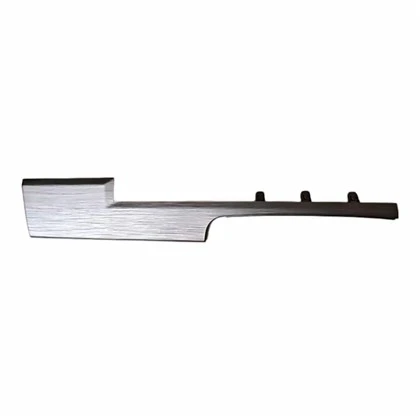
First off, let’s get one myth out of the way: car interior insulation isn’t just one thing. It’s a system of small parts working together, and most factory builds cut corners here to keep costs low. Think about it—when a manufacturer is building 10,000 cars a day, they’re using the cheapest materials that meet minimum safety rules, not the stuff that’ll keep your interior cozy for 10 years. That’s where we come in, by the way, but I’ll get to the supplier stuff later. Let’s start with what actually causes your car’s interior to be too hot or too cold, because you can’t fix something without knowing why it’s broken.
Take heat, for example. Ever parked your car in the sun for an hour, only to sit in a pool of sweat? Most of that heat isn’t coming through the windows—wait, no, actually, it is, but not just the glass. The roof and the firewall (that metal panel between the engine and the cabin) are huge culprits. Metal conducts heat like crazy, so if there’s barely anything between that hot engine and your feet, your floorboards feel like they’re from an oven. And the roof? Sun beats down on it all day, and if the only thing between that and your headliner is a thin layer of foam, all that heat seeps right in. Same with cold in winter—same metal parts conduct cold air from outside, making your seats and steering wheel ice-cold.
Now, the good news: upgrading these parts is way simpler than you think. Let’s start with the DIY stuff, because not everyone wants to throw money at a mechanic. First, the headliner. A lot of older cars (even some newer ones) have a super thin, low-density foam headliner that does next to nothing for insulation. If you’re comfortable pulling the old one down (pro tip: take pictures of the clips so you don’t forget where they go), you can swap it out for a higher-density foam or even add a layer of closed-cell foam between the existing headliner board and the fabric. Closed-cell foam is perfect here because it’s resistant to moisture too—no mold growing if you spill a soda or get caught in a rainstorm. I’ve seen customers do this on their own, and they come back saying their car is 5-10 degrees cooler in summer just from this small change.
Next, the floor mats and carpet. Wait, not just any floor mats—think about the under-carpet insulation. That thin factory carpet? It’s mostly for looks, not insulation. If you pull it back (again, clips, easy), you’ll probably see a tiny piece of felt or nothing at all between the metal floor and the carpet. Adding a mass-loaded vinyl (MLV) layer here is a game-changer. MLV is a dense, flexible material that blocks both sound and heat/cold—way more effective than foam for these heavy-duty barriers. It’s thin enough that you won’t feel a big difference under your feet, but it makes a huge impact. I’ve had guys tell me their gas mileage even improved a little bit because their car’s HVAC doesn’t have to work as hard to regulate temp—win-win.
Then there’s the doors. Doors have a lot of gaps, and the panel itself is metal. The door panel insulation that comes factory is usually super flimsy—like a sheet of paper with some foam. Swapping that out for a thicker, closed-cell foam door panel insulator can cut down on heat transfer from the outside, and also reduce road noise (extra bonus). If you really want to go all out, adding a layer of MLV to the inner door skin (the metal part under the panel) will block even more heat and cold. I did this on my old pickup truck a few years back, and I noticed right away that my door panel didn’t feel like ice anymore in the winter—no more leaning on the door to warm up my arm.
Now, let’s talk about if you don’t want to DIY. Maybe you’re not handy, or you have a newer car and don’t want to mess with the interior. That’s where we (car interior components supplier crew) come in. We make pre-cut, custom-fit insulation kits specifically for different car models. No measuring, no guessing—they’re cut exactly to fit your headliner, doors, floor, and firewall. We use high-density closed-cell foam and MLV that’s designed to stand up to heat, cold, and sun exposure (no falling apart after a year like cheap off-brand stuff). These kits are easy enough that even someone who can barely change a oil filter can install them—most come with a video tutorial and all the clips you need. We’ve had customers send us messages saying their kids no longer complain about hot car seats on school runs, and their winter commutes are way less of a chore.
Wait, but let’s get real—some people ask, “Is this worth the cost?” Let’s do the math. If your HVAC is working overtime, that’s more fuel (or electricity, if you have an EV) wasted. If you’re in a hot car, you’re more likely to crank the AC all the way, which uses even more energy. Adding insulation can cut that HVAC workload by 20-30%, according to some automotive material studies I’ve looked at over the years. For a lot of people, that adds up to enough gas savings to cover the cost of the insulation in a few months. Not to mention, resale value—cars with updated, comfortable interiors sell for more than those that feel worn out or uncomfortable.
Now, let’s address some common mistakes people make when trying to improve interior insulation. First, buying cheap, generic insulation off Amazon. A lot of that stuff is made for home walls, not car interiors—it’ll break down in the sun, off-gas weird fumes that make your car smell weird, or be too thick to fit properly in tight door panels. Home insulation is designed to be fluffy, but car insulation needs to be dense and flexible to fit in small spaces without adding extra weight (extra weight hurts gas mileage, too—another pro tip). Second, skipping the firewall. So many people focus on the headliner and doors, but the firewall is like the biggest heat/cold gateway in the car. If you ignore that, you’re only fixing part of the problem. Third, not sealing gaps. Gaps around the doors, windows, and dashboard are responsible for a ton of heat transfer too. Adding a little weatherstripping (specifically for car interiors, not home stuff) around door frames and window seals can make a difference—we include that in our custom kits sometimes, because it’s such an easy add-on.
Another thing I’ve noticed as someone in the industry: a lot of newer EVs have even worse interior insulation than gas cars. Because they don’t have a noisy engine, manufacturers use thinner insulation to save weight (which helps range, weirdly). So EV owners often get hit with even hotter or colder interiors, because there’s no engine heat to warm things up in winter, and the battery-powered HVAC has to work extra hard. That’s been a big part of my work lately—helping EV owners upgrade their interior insulation to keep range up and temp comfortable. It’s not just gas cars anymore, this is a problem for all of us.
Wait, what about seats? That’s a big one. Factory seats often have thin padding that doesn’t do much for insulation, especially if you have leather seats (they get burning hot or freezing cold super fast). Adding seat insulation—like a layer of closed-cell foam between the seat base/back and the leather or fabric—can make a huge difference. And if you want to go the extra mile, seat heaters or coolers paired with good insulation means you’re not wasting energy heating or cooling the whole seat, just the part you’re sitting on. We also make custom seat insulation pads that fit perfectly in most makes and models, so you don’t have to modify your seats permanently.
Let’s talk about long-term durability, because this is car parts we’re talking about—nothing sucks more than something that stops working after a couple years. All the materials we use (and recommend) are tested for extreme temps: from -40°F in the middle of a snowy winter to 180°F sitting in a parking lot in Arizona. They don’t off-gas harsh chemicals, so your interior stays smelling fresh, even in the heat. And they’re water-resistant, so if you spill a coffee or get caught in a storm, no mold or mildew growing behind your panels. That’s why a lot of mechanics and car customization shops come to us for parts—they know we don’t cut corners on quality.
Now, if you’re ready to actually do this, whether DIY or with custom parts, here’s a quick checklist to start: first, figure out your biggest pain point. Is it hot in summer? Start with the roof and doors. Is it cold in winter? Start with the firewall and floor. Is it both? Do the whole kit. If you’re handy, DIY parts are super affordable—you can pick up closed-cell foam and MLV at most auto parts stores for under $100. If you’re not handy, ordering a custom kit from a reputable supplier (like, well, us) will save you time and frustration, and it’ll fit perfectly.
Wait, let’s be clear—this isn’t a “one-size-fits-all” fix. Different cars have different interior layouts, so what works for a Honda Civic might not work exactly the same for a Ford F-150. That’s why custom-fit parts are so much better than generic stuff—they take the car’s specific dimensions into account, so there’s no gaps or bulges that mess with insulation or fit. I’ve seen people waste money on generic insulation that’s too big for their doors, so they have to cut it and it doesn’t work as well. Custom is worth it, period.
And before you ask: no, you don’t have to remove your entire dashboard to fix the firewall. Wait, some older cars might need a little trim work, but modern custom kits are designed to slip in between the firewall and the existing carpet without taking the whole dash apart. It’s way less work than you think. I remember a customer with a 2022 Tesla Model 3 who did the whole firewall and floor insulation in a weekend—she said it was the best upgrade she’d done, way better than a cheap window tint.
Speaking of window tint—wait, that’s another part of interior insulation! But wait, not just any tint. The cheap dark tint you get at the mall blocks some light, but high-quality ceramic tint blocks heat and UV rays way better. But even with tint, upgrading the interior components like the roof and doors will make a bigger difference. Tint is a band-aid for the windows, but the metal parts are the real issue. That’s why pairing tint with interior insulation is the ultimate combo.
Now, let’s get to the part that’s why I’m writing this blog in the first place: if you’re not into DIY, or you want professional-grade parts that actually work, we make custom car interior insulation kits for almost every make and model out there. Whether you drive a compact sedan, a full-size truck, an SUV, or even an EV, we’ve got parts cut exactly to fit your interior. We’ve worked with everything from 10-year-old cars to brand-new 2024 models, and all our materials are tested to last for years, no off-gassing, no breaking down in extreme temps. If you’re tired of your car feeling like a temperature rollercoaster, and you want a solution that actually works (not another $20 accessory that does nothing), reach out to us to learn more about our custom insulation kits and how we can help you make your car’s interior way more comfortable. We don’t do pushy sales stuff—just real advice for real car owners who want a better interior without the hassle.

Wait, let’s wrap this up so it’s not too long. The bottom line is: yes, you absolutely can improve your car’s interior insulation. It’s not magic, it’s just using the right materials in the right places. Whether you DIY on a budget or invest in custom parts, you’ll notice a huge difference in temp control, plus better HVAC performance and less noise. Don’t settle for a car interior that’s too hot in summer or too cold in winter—small upgrades go a long way. If you’re ready to take the next step, get in touch to find out which parts are right for your car.
Front Grille Systems References
Automotive Insulation Materials: Properties, Applications, and Testing. SAE International, 2021.
Effect of Vehicle Interior Insulation on HVAC Energy Consumption and Passenger Comfort. Journal of Automobile Engineering, 2019.
Closed-Cell Foam Insulation for Automotive Interiors: Durability and Performance Under Extreme Conditions. International Journal of Vehicle Design, 2020.
Hebei Xiujie Auto Parts Co., Ltd.
As one of the most professional car interior components manufacturers and suppliers in China, we have world-leading production equipment and strong manufacturing capabilities. Please feel free to wholesale bulk customized car interior components from our factory. Contact us for quotation and free sample.
Address: Industrial New Area, Wen’an County, Langfang City, Hebei Province (State-run Xiaowu Farm)
E-mail: runtaoli87@gmail.com
WebSite: https://www.xiujie-cn.com/
