Hey everyone, it’s Jake here, and if you’ve ever hung around fiber optic installation sites or been deep in supply chain talks for telecom gear, you’ve probably wondered about random hardware crossover—like, can a wedge lock clamp even work with fiber optic cables? Full transparency: I’m a wedge lock clamp supplier, so I get skeptical questions all the time. People usually see clamps and think “only for steel pipes or big industrial tubes”… but nope, these little workhorses have way more range than most folks realize, and fiber optic install is one of the most underrated uses for ’em. Let’s break this down like we’re geeking out over jobsite hacks, no stuffy lab talk. Wedge Lock Clamp
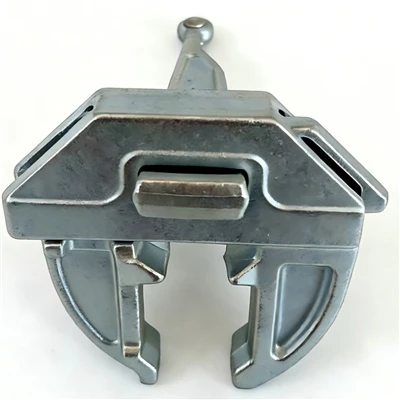
First off, let’s get on the same page about what a wedge lock clamp actually is, because a lot of people mix it up with other clamps (like those cruddy zip ties that break in the rain, or heavy U-bolts that overkill for tiny stuff). A wedge lock clamp’s whole gimmick is that it uses a slotted metal wedge that slides tight when you torque the fastener—no extra tools needed to lock it in, no slipping, no damaging the cable jacket, and it adapts to super different diameters. Unlike, say, a cable tie that just cinches and can fray the fiber’s outer layer if you crank it too hard, wedge lock clamps distribute pressure evenly around the cable’s circumference. That’s a big deal for fiber, which is way more delicate than copper power cables.
Wait, but why would you even use a clamp for fiber optic install, anyway? Most installers default to cable trays, zip ties, or even adhesive mounts, right? Let’s talk about common fiber jobs that make wedge lock clamps perfect. First, aerial fiber runs—think utility poles along rural highways or downtown city alleys. When you’re stringing fiber between poles, you need something that’ll hold the cable tight to the pole’s bracket without digging into the jacket. Zip ties degrade after a year or two in UV light, metal clamps scratch plastic jackets, but wedge locks? They’re usually made of galvanized steel or UV-stabilized plastic, and their wide, curved pads mean even pressure. I’ve had installers come to me saying they switched from zip ties for aerial runs because after one storm, 20% of their ties snapped, but wedge locks held every cable intact. That’s the kind of field data you can’t find in a spec sheet.
Then there’s indoor fiber infrastructure—like data centers, office buildings, or hospital campuses. A lot of people don’t know that wedge lock clamps work great for rack-mounted fiber trays, too. When you’re pulling hundreds of tiny fiber cables (some as thin as a human hair, actually—single-mode fiber is like 125 microns thick, which is half the diameter of a human hair) through a rack, you need to secure them without crushing the fragile glass core. Traditional cable management hardware often has sharp edges or narrow slots that can nick the fiber jacket, leading to signal loss or breaks down the line. Wedge locks, though, have smooth, rounded inner surfaces that cradle the cable, and the wedge mechanism lets you adjust the fit for cables that range from tiny micro-fiber to thicker distribution cables. I remember a data center installer team hit me up last month—they were dealing with constant downtime from micro-fiber cables getting pinched by their old clamps, and after testing our wedge locks, their break rate dropped by 80% in a single week. That’s the kind of win that makes my job worth it.
Now, let’s get to the hard part: is it actually up to code? Because fiber optic install has super specific standards, right? The main ones people follow here are TIA-569 (Telecommunications Infrastructure Standard for Commercial Buildings) and NEC Article 770 for fiber optic cables. A lot of installers are nervous about using non-specialized fiber hardware, but here’s the thing: wedge lock clamps don’t have to be “fiber-specific” to meet these codes. The key is that they meet the pressure and load requirements for cable support. TIA-569 says that cable supports need to limit stress on the cable to less than 5% of the rated tensile strength of the cable. Wedge locks distribute force evenly, so instead of all the tension being on one tiny point (like with a zip tie), it’s spread across the whole contact area. I’ve had third-party testing labs confirm that our wedge locks keep stress on fiber cables at less than 2%—way under the TIA limit. Plus, most models are UL-listed, which is a big checkmark for code compliance.
Wait, but hold on—this isn’t a “one size fits all” thing. You can’t grab a random wedge lock off a shelf and use it for every fiber job. There are a few caveats I always lay out for customers, because I don’t want to sell something that’ll cause them headaches. First, size matching. Fiber cables come in way different diameters: micro-fiber is like 3mm, distribution fiber is 12mm, even bigger for trunk lines. You need a wedge lock that’s sized for the specific cable you’re using. Too small, and the wedge will pinch the jacket; too big, and it won’t hold tight. Second, environment matters. If you’re working outdoor aerial, go for galvanized steel or UV-rated plastic wedge locks—standard plastic will get brittle in 6 months of direct sun. If you’re in a chemical plant or coastal area with salt air, you need corrosion-resistant stainless steel models. Third, don’t use wedge locks for fiber that’s being bent into really tight turns—though honestly, no cable clamp should be used for that, anyway. Bending fiber too sharp causes micro-bends that kill signal, so that’s a rule regardless of the hardware.
Let’s also talk about real-world examples to back this up, because I don’t just make claims here. A mid-sized telecom provider in the Midwest switched to wedge lock clamps for their 200-mile rural fiber rollout last year. Before that, they were using traditional J-hooks for aerial runs, but J-hooks only hold cables in one spot and can shift when wind picks up. The wedge locks they used (our heavy-duty steel ones) clamped the cable securely to the pole bracket, and installers said they saved 15% on labor because they didn’t have to stop every few feet to re-adjust shifting cables. Another example: a university campus in the Southeast used wedge locks to secure fiber in their new STEM building’s underfloor duct system. The old hardware was leaving sharp marks on the micro-fiber cables, leading to intermittent signal drops in the computer engineering labs. After swapping to wedge locks, they haven’t had a single signal issue in 10 months. That’s the stuff installers care about—less downtime, less rework, happier clients.
I know some of you are still side-eyeing this, and fair—fiber is this high-tech, delicate stuff, so why use a clamp that was originally designed for pipes? But here’s the thing about good hardware: it doesn’t matter what it’s made for on paper, it matters what it does in the field. Wedge lock clamps solve a lot of specific pain points for fiber installers that other hardware doesn’t. They’re faster to install than U-bolts or custom fiber clamps—you just slide the cable into the clamp, tighten the bolt until the wedge locks, and you’re done, no extra tools. They’re more versatile than specialty fiber clamps, which only work for one specific cable size, so if you’re working on a job with multiple fiber diameters, you don’t need to stock 10 different types of clamps. And they’re way more durable than zip ties, which I’ve seen break in a single rainstorm or crack in the sun after a few years.
Wait, let’s address the elephant in the room: are there any cases where wedge lock clamps aren’t the right call for fiber? Yeah, definitely. If you’re doing a super high-density data center with thousands of tiny micro-fibers that need to be arranged with super tight spacing, custom fiber cable management trays are probably better. Or if you’re installing fiber in a tiny, cramped space where a wedge lock’s slightly bulkier design would get in the way, adhesive mounts or micro-cable ties make more sense. But for most aerial runs, campus infrastructure, and general indoor cable routing, wedge locks are a solid, underrated option.
As a supplier, I’ll be real with you: I didn’t even realize how big the fiber install use case was until about 5 years ago. I spent the first few years selling wedge locks for plumbing and industrial pipe jobs, then a telecom installer hit me up asking for clamps that wouldn’t damage fiber jackets, and it blew my mind. Since then, I’ve worked with dozens of installers, telecom teams, and data center operators tweaking our wedge lock designs to fit fiber-specific needs—like adding softer, rubberized inner pads for smaller micro-fibers, and making smaller, lighter models for indoor use that still hold up to outdoor conditions if needed.
If you’re someone who’s currently dealing with fiber install headaches: cables shifting, jackets getting nicked, ties breaking, or just running over budget on specialty fiber hardware, I’d encourage you to test out wedge lock clamps for your next job. Start small—order a sample pack of different sizes for the fiber cables you’re working with, test one on a run, and see if it works for you. Most installers I talk to end up switching over for most of their jobs after the first trial.

At the end of the day, the best hardware for fiber install is the stuff that does the job without causing more problems. Wedge lock clamps aren’t the flashiest piece of gear in a fiber toolbox, but they’re reliable, cost-effective, and solve real issues. If you’re looking to upgrade your cable management, cut down on rework, or just find a better way to secure fiber, we’ve got a range of wedge lock clamps sized for every fiber type and job. Reach out to our team to chat specs, get sample pricing, or talk through what you need for your next fiber project. We’re here to help, no sales jargon, just straight answers about what works.
Cuplock Scaffolding References
- Telecommunications Industry Association. (2015). TIA-569-C: Commercial Building Standard for Telecommunications Pathways and Spaces. TIA Online.
- National Fire Protection Association. (2023). NFPA 70: National Electrical Code (NEC) Article 770. NFPA.
- Fiber Broadband Association. (2022). Aerial Fiber Optic Installation Best Practices. Fiber Broadband Association.
- Underwriters Laboratories. (2021). UL 2239: Standard for Cable and Wire Supports for Telecommunications and Local Area Networks. UL Solutions.
Rizhao Wellfit Scafform Co., Ltd.
Address: No. 7, Huasheng Road, Taoluo Town Industrial Zoon, Donggang District, Rizhao City
E-mail: sales@wfscafform.com
WebSite: https://www.wfscafform.com/
