Hey there, if you’re deep in the power generation, industrial boiler, or waste heat recovery game, you’ve probably heard the phrase “air preheater seal” thrown around like it’s just another tiny, easy-to-overlook part. Let me tell you—if you’ve ever dealt with a plant going down for an unplanned shutdown, you know that tiny part’s actually a make-or-break reliability linchpin. I’ve been in this game for years, as an air preheater seal supplier, and I’ve sat through more late-night troubleshooting calls with plant ops teams than I can count, all because someone forgot how much those seals do for the whole system. Let’s break this down, no stuffy engineering jargon that makes your eyes glaze over, just real stuff I’ve seen in the field. Air Preheater Seal

First, let’s do a quick low-down on what an air preheater (APH) even does, for the folks who might be new here. Most large industrial systems—think coal-fired power plants, natural gas boilers, even some big cement kilns—run on the same basic heat loop. They burn fuel to make hot exhaust gases that go up the stack, right? The APH’s whole job is to grab some of that waste heat from the hot exhaust before it goes out, and use that to preheat the cold air that’s fed into the furnace to burn fuel. Makes sense, because preheated air means more efficient combustion, less fuel wasted, lower emissions. Cool, that’s the big picture.
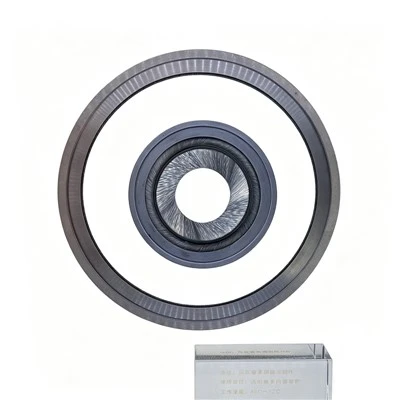
Now, where do the seals come in? An APH is basically a big rotating metal wheel, packed with heat-absorbing bricks or metal plates, spinning slowly inside a fixed casing. The two sides of the casing: one side carries the hot exhaust (the “gas side”), the other side carries the cold air going into the furnace (the “air side”). The seals are the thin, flexible strips that line the casing right up against the rotating wheel—they keep the hot exhaust from leaking straight over to the cold air side, and vice versa. That’s it, that’s their whole job, but even the tiniest gap there turns into a huge problem for reliability, not just efficiency.
Let’s start with the obvious one that everyone talks about: efficiency, which ties directly to reliability in a roundabout way, but I want to get to the reliability stuff first because that’s what this question is actually about. If your seals are worn out, leaking exhaust air into the cold air stream, you end up wasting fuel. A 1% increase in air leakage from a bad seal can cost a power plant tens of thousands of dollars a month in extra fuel, but that’s just the financial hit. When you’re burning extra fuel to compensate, you’re putting more stress on every part of the combustion system, from the burners to the exhaust stacks. That added stress accumulates over time, leading to more wear on components that you don’t even associate with the seals.
Now, let’s get to the main event: overall system reliability. I’ve seen so many times where a plant thinks, “Oh, we’ll just replace those seals next scheduled shutdown” and then three months later, the APH locks up, or the boiler trips, or worse. Let’s break down how bad seals cause those unplanned shutdowns, which are the bane of every plant manager’s existence.
First, combustion instability. When exhaust leaks into the air side, you’re not getting the exact amount of air your burners are tuned for. Too much exhaust (which is mostly inert nitrogen and carbon dioxide) dilutes the oxygen going to the fire, so the flame gets wobbly. That might not sound like a big deal, but if the flame wavers too much, the burner safety systems kick in and trip the boiler. A boiler trip is a huge deal—you lose power (or process heat, if it’s an industrial plant) for hours, sometimes days, while you reset everything. I’ve talked to a plant in the Midwest that had three unplanned trips in a year, all traced back to worn APH seals. Each trip cost them $200k in lost revenue, and they had to replace two burners because the unstable flame caused uneven wear on the nozzles. That’s a chain reaction—bad seals → combustion issues → damaged other components → more downtime.
Next, APH itself failing. The rotating wheel in an APH can expand when it’s hot, right? That’s normal—metal gets bigger when it’s heated. If the seals are set too tight to account for that expansion, when the wheel heats up, it rubs against the seals, causing friction. But if the seals are too worn, or not adjusted right, you get another problem: the rotating wheel can start to flex. When there’s a big gap from bad seals, the heat isn’t evenly distributed across the wheel, so one part of the wheel gets hotter than the other, causing it to warp. A warped APH wheel is a death sentence for reliability. Once it’s warped, it won’t spin true, so it rubs against the casing even when the seals are new, leading to more wear on the shaft and the bearings. We had a client in the petrochemical industry a couple years ago—they thought their APH bearings were going bad, spent $15k on new bearings, only to find out the wheel was warped from 18 months of bad seals. The wheel replacement cost them $120k, plus two weeks of downtime, all because they ignored the seal issue.
Then there’s emissions, which is a whole separate reliability headache these days. Regulators are cracking down hard on NOx, CO, and particulate emissions from industrial plants. If your APH seals are leaking, you’re getting incomplete combustion because of the air dilution, which means more CO and unburned fuel going out the stack. That leads to emissions test failures, which can get you fined thousands of dollars a day, or even shut down entirely until you fix the problem. I once had a plant in the Southeast that got a $50k fine because their NOx levels spiked during a routine test—turns out their APH seals had worn 2mm over a year, which was enough to throw their air/fuel ratio off just enough to make emissions blow past the limit. They had to drop a planned maintenance period two weeks early to replace the seals, which cost them extra money, but the fine would’ve been way worse.
Wait, let’s not forget about corrosion, which is a silent killer of system reliability. The hot exhaust that leaks past bad seals has moisture, sulfur compounds, and other corrosive stuff. When that leaks into the cold air side, especially when the plant is operating at low loads, the temperature drops, and those corrosive compounds condense. They eat away at the APH casing, the wheel, and even the ductwork leading to the burners. Over time, that corrosion weakens components, leading to leaks in the air or gas streams, more inefficiency, and eventually, a structural failure. A plant in California had a 10-foot section of their APH casing corrode through from bad seals—they didn’t catch it until it was leaking hot exhaust onto the surrounding steel, which was starting to soften. That could’ve caused a catastrophic failure, taking down the whole plant, but they caught it during a shutdown. Still, the repairs took three days, and they had to replace half the casing, all because of a seal leak that was easy to fix.
Now, let’s talk about the flip side—good seals, and how they boost reliability. The biggest thing here is reducing unplanned downtime. When you have properly designed, installed, and maintained APH seals, the air leakage is usually under 5%—some of the better solutions get it down to 2% or less. That means consistent air/fuel ratio, stable combustion, fewer trips, less stress on all the other components. I’ve worked with a plant that switched from their old, standard carbon steel seals to our flexible graphite composite seals, and their unplanned downtime from APH-related issues dropped by 70% in a year. They saved over $300k in lost revenue and repair costs that year alone, just from fixing the seal problem.
Wait, but not all seals are created equal. A lot of plants go for the cheapest seal they can find, but that’s a false economy. I’ve seen cheap seals wear out in 6 months, while a higher-quality seal can last 3-5 years, depending on the operating conditions. The cheap ones might be made of thin material that breaks down fast, doesn’t handle heat or vibration well, and doesn’t seal as tight. The better seals are designed to flex with the rotating wheel, handle expansion and contraction, resist corrosion, and stay in place even when the plant is going through load changes or startups and shutdowns—those are all things that put stress on seals, and cheap ones can’t handle it.
Another thing: maintenance schedules. A lot of plants only check their APH seals during scheduled outages, but that’s not enough. Seals wear gradually over time, and if you don’t check them quarterly (or even monthly, depending on the operating environment), you can miss the early signs of wear that lead to bigger problems. I recommend thermal imaging scans of the APH every few months—you can see hot spots on the wheel that come from uneven heat distribution caused by seal leaks. That’s a cheap, easy way to catch seal issues before they turn into shutdowns or component failures.
Let me wrap this up with a real example that sticks with me, because it shows just how big the impact of a seal can be. Last year, a mid-sized power plant in Ohio called me in because their APH was acting up, and they were facing a possible forced outage during peak summer demand—when every megawatt counts, and downtime costs them $100k an hour. When we looked at their seals, they were 4mm worn down, which was way more than the recommended 1mm gap. They had been putting off replacing them for a year, waiting for a “better time.” The seal leakage was causing their combustion temps to fluctuate, their NOx to rise, and the APH wheel was starting to warp. We replaced the seals in 8 hours during a planned weekend outage, got their gap down to 0.5mm, and when they came back online, their reliability went back to normal. That would’ve been a nightmare for them if we hadn’t caught it—peak summer demand, forced outage, millions in lost revenue, all because of a $2,000 seal replacement.
At the end of the day, air preheater seals aren’t just a “small part.” They’re one of the most underrated components in your entire combustion and heat recovery system. Bad seals lead to unplanned shutdowns, damaged equipment, fines, wasted fuel, and lost revenue. Good, well-maintained seals boost reliability, cut costs, keep emissions in check, and keep your plant running when you need it most.
If you’re noticing higher fuel costs, more boiler trips, higher emissions, or weird hot spots on your APH, don’t ignore it. A quick seal check can save you from a massive headache (and a massive bill) down the line. If you want to chat about your specific system, what seals would work best for your operating conditions, or just get more details on how we can help boost your plant’s reliability, reach out. We work with all types of industrial facilities, from power plants to cement kilns to refineries, and we tailor our seal solutions to fit your needs, not just sell you the cheapest product. Don’t let a tiny seal derail your whole system—let’s fix that.
Air Preheater Seal References
- International Society of Automation. (2021). Reliability Impact of Auxiliary Component Degradation in Industrial Combustion Systems. ISA Press.
- Electric Power Research Institute. (2020). Air Preheater Performance and Maintenance Guidelines for Fossil Power Plants. EPRI Report Number 3002001567.
- National Association of Corrosion Engineers. (2019). Corrosion in Industrial Heat Transfer Equipment: Causes, Mitigation, and Impact on Reliability. NACE International.
- U.S. Environmental Protection Agency. (2022). Industrial Boiler Emissions Control: Best Practices for Combustion Air Handling and Heat Recovery. EPA Report Number EPA-456/R-22-002.
Jiangsu Turbine Electric Power Technology Co., Ltd.
As one of the most professional air preheater seal manufacturers and suppliers in China, we have world-leading production equipment and strong manufacturing capabilities. Please feel free to buy advanced air preheater seal for sale here and get pricelist from our factory. Customized orders are welcome.
Address: Building 8, Huaqi Yungu Xuzhou Lingang Industry Accelerator, Jiawang District, Xuzhou City, Jiangsu Province
E-mail: zjh800@163.com
WebSite: https://www.cnturbine.com/
