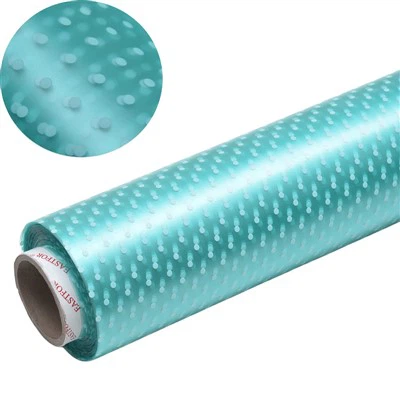
As a supplier of PVC printing film, I often get asked about the anti – microbial property of our product. In this blog, I’ll delve into this topic in detail, exploring what anti – microbial properties are, how they apply to PVC printing film, and why they matter in various applications. PVC Printing Film
Understanding Anti – microbial Properties
Anti – microbial properties refer to the ability of a material to inhibit the growth or eliminate microorganisms. Microorganisms include bacteria, fungi, and viruses, which can pose risks to human health and cause damage to materials. The anti – microbial effect can be achieved through different mechanisms, such as the release of anti – microbial agents, creating an environment that is inhospitable to microbes, or physically disrupting the structure of microorganisms.
There are several types of anti – microbial agents that can be incorporated into materials. For example, silver – based compounds are well – known for their broad – spectrum anti – microbial activity. Silver ions can interact with the cellular components of microorganisms, disrupting their normal physiological functions and leading to their death. Copper is another effective anti – microbial element. It can generate reactive oxygen species within microbial cells, causing oxidative stress and ultimately destroying the cells.
Anti – microbial Properties in PVC Printing Film
When it comes to PVC (Polyvinyl Chloride) printing film, anti – microbial properties are not inherent. PVC is a synthetic polymer that, by itself, does not have the ability to inhibit microbial growth. However, through various modification techniques, we can enhance PVC printing film with anti – microbial capabilities.
One common approach is to add anti – microbial agents during the manufacturing process. These agents can be evenly dispersed within the PVC matrix. When the film is exposed to microorganisms, the anti – microbial agents start to work. For instance, if we use a silver – based anti – microbial agent, the silver ions will slowly release from the film surface. As the microbes come into contact with the film, the silver ions will penetrate the cell walls of the microorganisms and interfere with their metabolic processes.
Another method is surface coating. A thin layer of anti – microbial material can be applied to the surface of the PVC printing film. This coating provides a direct barrier against microorganisms. The advantage of surface coating is that it can target the anti – microbial action precisely at the interface where the film is in contact with the surrounding environment.
Testing and Certification
To ensure the effectiveness of the anti – microbial properties of PVC printing film, a series of tests are conducted. These tests are designed to simulate real – world conditions and evaluate how well the film can resist microbial growth.
One of the most commonly used tests is the ASTM E2180 standard. This test measures the ability of an anti – microbial material to inhibit the growth of bacteria over a certain period. Samples of the PVC printing film are inoculated with a specific strain of bacteria, and then incubated under controlled conditions. After a set time, the number of viable bacteria on the film is counted. If the number of bacteria is significantly lower than that on a non – anti – microbial control sample, it indicates that the film has effective anti – microbial properties.
Certification is also an important aspect. Third – party certifications, such as those from the NSF (National Sanitation Foundation) or ISO (International Organization for Standardization), provide an independent verification of the anti – microbial performance of the PVC printing film. These certifications are recognized globally and give customers confidence in the quality and safety of the product.
Advantages of Anti – microbial PVC Printing Film
The anti – microbial properties of PVC printing film offer several significant advantages in different applications.
Healthcare Facilities
In hospitals, clinics, and other healthcare settings, hygiene is of utmost importance. PVC printing film with anti – microbial properties can be used for a variety of purposes, such as wall coverings, signage, and equipment labels. These films can help reduce the spread of harmful bacteria and viruses, contributing to a safer environment for patients and healthcare workers. For example, on the walls of operating rooms, anti – microbial PVC printing film can prevent the growth of bacteria that could cause surgical site infections.
Food Packaging
Food safety is a major concern for consumers. Anti – microbial PVC printing film can be used in food packaging to extend the shelf – life of products and prevent the growth of spoilage microorganisms. By inhibiting the growth of bacteria and fungi, the film can help keep food fresh for longer periods. This not only reduces food waste but also ensures that consumers receive safe and high – quality food products.
Public Spaces
In public places like schools, shopping malls, and transportation hubs, there is a high volume of people coming and going, increasing the risk of pathogen transmission. Anti – microbial PVC printing film can be used for decorative items, wayfinding signs, and other applications. It can help maintain a cleaner and healthier environment, reducing the chances of people getting infected with common diseases.
Limitations and Considerations
While anti – microbial PVC printing film has many benefits, there are also some limitations and considerations.
One limitation is the durability of the anti – microbial effect. Over time, the anti – microbial agents may gradually lose their effectiveness due to factors such as wear and tear, exposure to chemicals, and environmental conditions. This means that the film may need to be replaced periodically to maintain its anti – microbial performance.
Another consideration is the potential impact on the environment. Some anti – microbial agents, such as certain types of chemicals, may have negative environmental effects if they are released into the environment during the production, use, or disposal of the film. As a responsible supplier, we are constantly exploring more environmentally friendly anti – microbial solutions to minimize this impact.
Conclusion
In conclusion, the anti – microbial property of PVC printing film is an important feature that offers numerous benefits in various applications. Through the incorporation of anti – microbial agents or surface coatings, we can enhance the film’s ability to resist microbial growth. However, it’s essential to conduct proper testing and obtain relevant certifications to ensure the effectiveness of the anti – microbial properties.
As a PVC printing film supplier, we are committed to providing high – quality products with reliable anti – microbial performance. Our products are designed to meet the diverse needs of different industries, from healthcare to food packaging and public spaces.
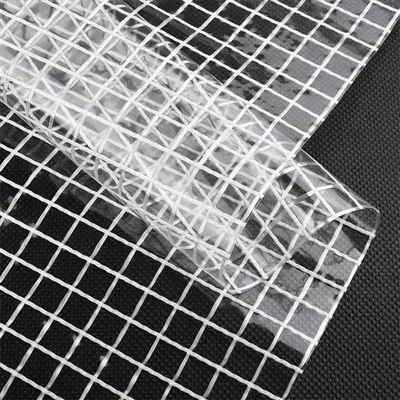
If you are interested in our anti – microbial PVC printing film or would like to discuss your specific requirements, please don’t hesitate to contact us for procurement and negotiation. We are looking forward to working with you to find the best solutions for your projects.
PVC Film References
- ASTM E2180 – 19, Standard Test Method for Determining the Activity of Incorporated Antimicrobial Agents in Polymeric or Hydrophobic Materials.
- NSF International, Various standards related to anti – microbial materials and products.
- ISO standards on anti – microbial performance testing and certification.
Nantong Dahe Composite New Material Technology Co., Ltd.
We’re well-known as one of the leading PVC printing film manufacturers and suppliers in China, specialized in providing high quality customized products to global clients. Please feel free to wholesale cheap PVC printing film in stock here from our factory. Contact us for quotation and free sample.
Address: South Side of Pinghai Highway, Pinghe Village, Dongshe Town, Tongzhou District, Nantong City, Jiangsu Province, China
E-mail: nantongdahe@outlook.com
WebSite: https://www.cndahetech.com/
