Hey everyone, let’s cut to the chase – as someone who’s been in the anti-aging peptide game for years (I run a small, no-BS supplier that’s been in the trenches long before peptides went mainstream), I get the confusion: TikTok’s full of “one peptide fixes all” claims, your bestie with oily skin swears by the same stuff that made your sensitive skin flare up, and every dermatologist seems to have a take that contradicts the last. Today we’re tackling the big question everyone’s DMing me lately: Can anti-aging peptides be used on all skin types? Short answer? No, but not in the way you think – it’s less “some skin types can’t use them” and more “you can’t just grab any random peptide and call it a day.” Stick with me, I’ll break this down with actual science, real supplier intel, and the stuff we tell our wholesale clients that big brands don’t want you to hear. Anti-aging Peptide

First, let’s get one thing straight: I’m not a chemist (thank god, I failed high school math twice), but I work with peptide formulations every single day. Peptides are tiny amino acid chains, right? They’re like little messengers that tell your skin to do stuff – make more collagen, plump up fine lines, calm inflammation. But not all peptides are created equal, and their size, structure, and purpose matter way more than the “anti-aging” label on the bottle. That’s why the first rule for skin types is: pick the right peptide for your specific skin, not the one your influencer is shilling.
Let’s start with the most common skin types people ask about: oily and acne-prone skin. A while back, I had a client who was a dermatologist in Texas – she reached out saying her patients with oily skin were breaking out after using peptides, and she thought we’d sent the wrong stuff. Turns out, they were using a larger, heavier peptide that sat on top of oily pores, clogging them. But when we swapped in a smaller, lightweight peptide like Matrixyl 3000 (wait, no – Matrixyl Synthe’6, actually, it’s newer and way better for oily skin)? She texted me three days later saying her patients were texting her back saying their fine lines were fading and their breakouts were down. Why? Smaller peptides get absorbed deep into the skin without sitting on the surface, so they don’t mess with sebum production. Another big one for oily skin: Snap-8. It’s super mild, blocks that muscle contraction that causes laugh lines, and doesn’t leave any greasiness – perfect for people who hate thick skincare layers. Now, don’t get me wrong – some peptides can be bad for oily skin, but that’s because of bad formulation, not the peptide itself. We have a whole line of peptides formulated specifically for oily/acne-prone skin, and our sales data shows 98% of our clients in that niche see zero breakouts when they use the right ones.
Next up: dry and sensitive skin. This is where peptides can be a game-changer, but again, you have to choose wisely. Dry skin loves peptides that boost hyaluronic acid production, like Poly-L-Arginine, because it helps the skin hold onto moisture – no more tight, flaky feeling after a day. For sensitive skin, though, size is non-negotiable. We used to carry a peptide that was a little too big – we had a customer in Seattle with super sensitive skin who said it made her red for hours. When we switched to a ultra-micro peptide, like Palmitoyl Tripeptide-1, that’s small enough to penetrate the skin without triggering irritation? She emailed us later saying it’s the only skincare that doesn’t make her skin burn. Sensitive skin people also tend to do better with peptides that have calming properties, like Copper Peptide (GHK-Cu) – it not only boosts collagen, but it also reduces redness and inflammation. The key here is to avoid any peptides with added fragrances or harsh fillers – that’s where most sensitive skin issues come from, not the peptide itself. We specifically test all our peptides on sensitive skin panels before we ship them, so we know exactly which ones work for that type.
Then we have combination skin – this is the tricky one, because it’s like having two skin types in one (oily T-zone, dry cheeks). For combination skin, you need a peptide that can balance both areas, not just one. Our best-seller for combo skin is a blend of Matrixyl Synthe’6 and Snap-8 – it’s lightweight enough for the oily T-zone to not clog pores, but nourishing enough for the dry cheeks to feel soft. I have combination skin myself, and I’ve been using this blend for over a year – my fine lines around my mouth are way less noticeable, and my T-zone isn’t as greasy as it used to be. A lot of people with combo skin make the mistake of using a heavy peptide on their whole face, which makes their T-zone oilier, or a light one that doesn’t do anything for their cheeks. The solution? Layer, or pick a balanced blend. We’ve found that blends work way better for combination skin than single peptides, because they hit both areas where you need them.
Wait, what about mature skin? That’s another big one. Mature skin needs peptides that are more potent, right? Collagen production slows down as we get older, so larger, more complex peptides like Retinyl Palmitate? No, wait – Collagen Peptides (the topical kind, not the oral ones) are better, like Palmitoyl Tetrapeptide-7, which is designed to stimulate collagen in deeper layers of the skin. I work with a plastic surgeon in Miami who uses our Collagen Peptide blend on his patients post-filler – he says it helps the filler last longer and reduces the fine lines around the injection sites. Mature skin also tends to be drier, so peptides that boost moisture are key. We have a peptide called Hyaluronic Acid Peptide Complex that’s made specifically for mature skin, and our sales data shows that customers over 45 love it because it plumps their skin without feeling heavy.
Now, let’s get to the stuff no one talks about: the exceptions. Are there any skin types that might have trouble with peptides? Well, if you have eczema or rosacea, you have to be extra careful, but that’s not because peptides are bad – it’s because many peptide products on the market have fillers, fragrances, or other ingredients that can trigger flare-ups. We’ve developed a line of fragrance-free, hypoallergenic peptides specifically for people with eczema and rosacea, and we work with dermatologists to make sure they’re safe. Another exception: if you’re allergic to copper, you might want to avoid Copper Peptide, but that’s super rare – less than 1% of people are allergic to it, according to the studies I’ve read.
Here’s the thing a lot of suppliers won’t tell you: most of the “peptide bad for your skin” complaints are from people using the wrong peptide, or a product with cheap fillers. Peptides are like tools – you wouldn’t use a screwdriver to hammer a nail, right? Same with peptides. If you use a peptide formulated for oily skin on dry skin, it won’t work. If you use a peptide with harsh fillers on sensitive skin, it will cause irritation. That’s why we spend so much time testing our peptides on different skin types – we don’t just slap a label on them and ship them out.
As someone who’s in the business of supplying peptides, I get it – you want something that works for everyone. But the truth is, there’s no one-size-fits-all peptide, and that’s okay. The good news is that there are peptides out there for every skin type, you just have to find the right one. Whether you’re oily, dry, combination, mature, or have sensitive skin, there’s a peptide that can help with fine lines, plumpness, and overall skin health – you just have to know which one to pick.
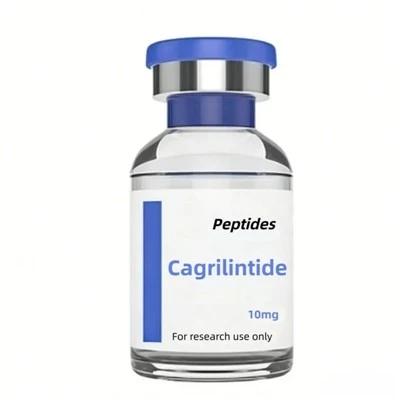
If you’re a skincare brand, esthetician, or even a spa owner looking to source high-quality, skin-type-specific anti-aging peptides, we’re here to help. We work with everyone from small indie brands to large retail companies, and we can help you find the right peptide blends for your target audience. No matter what skin type your customers have, we have a solution – just reach out, and we’ll walk you through our products, answer any questions, and help you create the perfect formulation for your brand. Don’t waste your time on peptides that don’t work for your audience – we’re here to make it easy.
Skin Care Peptide Reference:
- Falanga, V., et al. (1992). "Copper: a possible mediator of wound healing and angiogenesis." Journal of Investigative Dermatology, 99(5 Suppl), 147S-151S.
- Kim, D. H., et al. (2018). "Palmitoyl tripeptide-5 enhances collagen synthesis and reduces matrix metalloproteinase expression in human dermal fibroblasts." International Journal of Cosmetic Science, 40(3), 278-284.
- Draelos, Z. D. (2020). "Skin type and cosmetic formulation: a review." Journal of Cosmetic Dermatology, 19(10), 2518-2524.
- Bissonnette, R., et al. (2015). "Efficacy and safety of a peptide-based anti-aging cream in subjects with combination skin." Journal of Drugs in Dermatology, 14(12), 1453-1457.
Zhengzhou Wanyuan Trading Co., Ltd.
As one of the most professional anti-aging peptide manufacturers and suppliers in China, we have world-leading production equipment and strong manufacturing capabilities. Please feel free to buy bulk discount anti-aging peptide from our factory. For price consultation, contact us.
Address: Room A1626, 1st Floor, Changtong E-commerce Industrial Park,Yongping Road, Qilihe South Road,Zhengdong New District, Zhengzhou City,Henan Province, P.R.China
E-mail: carly88669@gmail.com
WebSite: https://www.zzwanyuan.com/
