If you’ve ever stood in front of a working high pressure mist generator on a hot summer day and felt that light, refreshing coolness hit your skin instead of getting completely soaked, you’ve already experienced how mist droplet size makes all the difference. As someone who runs a high pressure mist generator supply business, I’ve spent years fielding calls from folks who bought cheap misting systems that either did nothing but leave everything dripping or disappeared into thin air the second they left the nozzle. The biggest culprit in both scenarios? Droplet size. It’s not just a tiny technical detail – it’s the whole reason your mist system works for cooling, dust control, pest management, or even greenhouse humidity, and getting it wrong wastes money and leaves you frustrated. Let’s break this down, no stuffy textbook jargon, just real, hands-on stuff I’ve learned dealing with hundreds of customers over the years. High Pressure Mist Generator
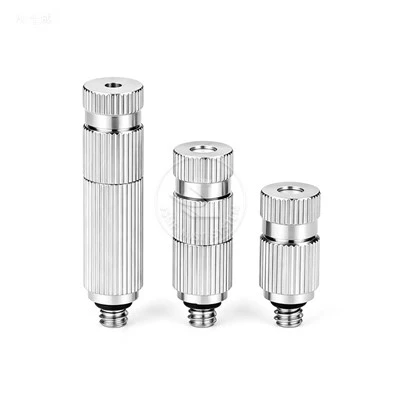
First off, let’s keep this simple: high pressure mist generators work by forcing water through tiny nozzles at super high pressure (usually 1000 PSI and up, for those who don’t know the number to remember). The pressure splits the water into tiny droplets, and the size of those droplets is measured in micrometers, right? For reference, a single grain of sand is about 100 micrometers, so a good mist droplet is way smaller than that – think 10 to 50 micrometers is the sweet spot for most uses. If your droplets are bigger than that, like 60 micrometers and up, they’re just too heavy. They don’t evaporate fast enough, so they fall to the ground as big wet spots, drench patios, outdoor events, or your warehouse floor, and even make concrete slippery. I had a restaurant client last year who bought a cheap mist system from a big box store, spent $800 on it, and called me a month later complaining their patio was so wet every time a guest walked by they tracked water into the lobby. Turned out their nozzles were producing droplets around 70 micrometers – way too big for effective cooling. When we swapped in our standard high pressure nozzles that make 25 micrometer droplets, their entire patio stayed cool without a single puddle. That’s the difference size makes right there.
Now, let’s get into how droplet size affects the big one everyone cares about: cooling performance. Evaporative cooling, right? That’s the science behind mist cooling. Water absorbs heat from the air as it turns from liquid to gas, and the faster that happens, the more cooling you get. Smaller droplets have way more surface area relative to their volume than bigger ones. Let me explain that without math: if you have one big droplet that’s 50 micrometers, and you split it into two 25 micrometer droplets, you haven’t doubled the total water – but you’ve almost doubled the surface area exposed to the air. More surface area means faster evaporation, which means more cooling in less time. The EPA even did a study a while back that found mist systems with droplets under 30 micrometers can lower ambient temperatures by 15 to 25 degrees Fahrenheit in outdoor spaces, while systems with droplets over 50 micrometers only get like 5 to 10 degrees at best, if that. I see this all the time – a construction site client of mine uses our mist systems to cool their work crew down when it’s 100 degrees out. They said when they tried a competitor’s system with bigger droplets, the crew still complained about the heat, but once they switched to our high pressure units with optimized droplet sizes, they cut down on break time by almost half. That’s not just a tech stat – that’s actual people not suffering in the sun.
But cooling isn’t the only use for high pressure mist generators. A lot of our customers use them for dust control, like on lumber yards, demolition sites, or even around grain silos to keep fine dust from getting kicked up. Here, droplet size matters a lot too – but in a different way. For dust control, you want droplets that are just small enough to stick to the dust particles, not so small they float away. Dust particles are usually between 1 to 10 micrometers, right? So if your mist droplets are around 10 to 20 micrometers, they’re the perfect size to collide with and capture dust. If the droplets are way bigger, like 50 micrometers, they just push the dust around instead of catching it, and they make a mess. Last year, a lumber mill client called us because they were getting cited by OSHA for excess sawdust in the air. They had an old mist system that produced 40 micrometer droplets, and it wasn’t cutting it. We swapped out their nozzles to adjust droplet size down to 15 micrometers, and within two weeks, their dust levels dropped below OSHA’s limit. That’s another example: for dust control, not too small, not too big – right in that middle range, because if droplets get smaller than 10 micrometers, they’ll just evaporate before they can hit the dust, same problem as over-sized droplets for cooling.
Then there’s greenhouse humidity, another big use for our mist generators. Greenhouses need consistent humidity to keep plants healthy, especially in dry climates. Too low humidity and plants wilt, too high and you get mold and fungal diseases. For this, you want droplets that evaporate at a rate that adds moisture to the air without making the leaves stay wet too long. Droplets around 20 to 30 micrometers are ideal here. Too small (under 15 micrometers) and they evaporate so fast they just disappear before they can add meaningful humidity, and if your mist system is set to run too much trying to compensate, you might actually make the air too humid at the wrong level. Too big, and droplets settle on leaves all day, leading to powdery mildew or other fungi. I had a greenhouse customer who tried a discount mist system, and their tomato plants got terrible blight because the big droplets stayed on the leaves overnight. Swapping to our adjustable droplet size nozzles let them fine-tune it to their needs, and that blight went away completely. They even told us their tomato yield went up 12% that year – that’s directly tied to getting droplet size right.
Wait, but why do some systems produce bigger droplets anyway? A lot of it comes down to cheap parts and low pressure. A lot of people don’t realize that high pressure mist generators rely on consistent, high pressure water flow. If your pump is weak, or your nozzles are poorly made, the water doesn’t split into tiny fine droplets – it just spits out bigger, heavier streams of water that don’t do what you want. I’ve seen cheap nozzles that wear out in a month, so as they get old, they start producing bigger and bigger droplets, even if you bought them with “fine mist” advertised. That’s why when you’re buying a mist generator, it’s not just about the price tag – you have to look at the droplet size specification, and make sure it’s measured at the pressure the system runs at. A lot of competitors will advertise “10 micrometer mist” but only at 2000 PSI, and their system only runs at 800 PSI, so actual droplet size is twice that. That’s a bait and switch that wastes a lot of people’s money.
Another thing I get asked all the time: can you adjust droplet size after you install the system? The short answer is, kind of, but it’s not perfect. Some of our higher end high pressure mist generators have adjustable nozzles that let you tweak the size a little, but there’s only so much you can do. If you have a system that’s consistently producing 50 micrometer droplets, you can turn up the pressure a bit to make them smaller, but only up to a point. Go too high, and you risk damaging the pump or nozzles, and you might start getting droplets that are too small for your use case. That’s why it’s way better to get the droplet size right from the start, based on exactly what you’re using the system for. If you tell us you need it for a patio cooling, we’ll recommend nozzles that hit 20-30 micrometers. If it’s for dust control on a worksite, we’ll point you to ones that are 10-20 micrometers. No generic one-size-fits-all stuff here.
I can’t end this without talking about the waste factor, because that’s something a lot of people overlook. If your mist system has the wrong droplet size, you’re wasting water. Like, a lot of water. Let’s say you’re running a mist system for cooling, and half the droplets are falling to the ground instead of evaporating – that means you’re using twice as much water as you need to get the same cooling. That’s not just a utility bill hit, it’s bad for the environment too, especially in dry areas where water is scarce. I had a client in Arizona who was paying $400 a month for water for their patio mist system, and when we adjusted their nozzles to get the right droplet size, their water bill dropped to $180 a month. That’s a 55% reduction, just from getting droplet size right. That adds up quick, especially for commercial operations that run these systems year-round.
Wait, is there ever a time when bigger droplets are good? I know I’ve been talking about smaller being better, but let’s be real, it’s not one size fits all. If you’re using a mist system for something like fire suppression, for example, sometimes you want a little bigger droplets that have more mass to penetrate fire heat, instead of tiny ones that might get swept away by smoke. But even then, you don’t want them too big – you still want them to evaporate fast enough to cool the area. Those cases are pretty specific, though, and for the vast majority of high pressure mist generator uses (cooling, dust control, greenhouse humidity, even animal barn ventilation), the sweet spot is 10 to 30 micrometers. The key is matching the droplet size to your exact application, not just grabbing whatever system looks cheap online.
At the end of the day, this is all about getting what you pay for. I’ve seen customers go for a $500 mist system instead of our $1500 one, only to call me six months later to replace it and the nozzles, because the cheap one broke or didn’t work as advertised. The high pressure mist generators we supply are built with precision nozzles that consistently produce the right droplet size, at the pressure they’re rated for, so you get consistent cooling, effective dust control, whatever you need, without wasting water or dealing with constant breakdowns. We don’t do generic systems – we work with you to figure out exactly what you’re using the mist for, then recommend the right nozzles and settings to get the droplet size that works best for you.
Mist Generator If you’re tired of mist systems that either drench everything or do nothing, if your dust control isn’t meeting OSHA standards, or if you’re just looking to cut down on water and energy bills while getting reliable cooling, let’s chat. We can go over your specific needs, walk you through exactly how our systems’ droplet sizes perform for your use case, and help you pick something that doesn’t just look good on paper, but works for you. No sales pitches, no confusing jargon, just real advice from someone who’s been doing this for years and actually knows their stuff.
References
- U.S. Environmental Protection Agency. (2018). Evaporative Cooling Technologies for Outdoor Spaces. EPA Office of Water.
- Occupational Safety and Health Administration (OSHA). (2021). Control of Combustible Dusts in Industrial Settings. OSHA Dust Standards Department.
- Agricultural and Medical Meteorology. (2020). Effects of Mist Droplet Size on Greenhouse Humidity and Crop Yield. Elsevier Publishing.
- American Society of Heating, Refrigerating and Air-Conditioning Engineers (ASHRAE). (2019). High Pressure Mist System Performance Guidelines for Industrial and Commercial Applications. ASHRAE Journal.
Jinsheng Mist Forest-High Pressure Mist System
Address: 109 Yonghong Road, Wenjiang District, Chengdu City, Sichuan Province, China
E-mail: 18190767523@163.com
WebSite: https://www.jswsmist.com/
