If you’re a packaging manager or production lead, chances are you’ve stared at your existing line—maybe it’s cranking out stand-up pouches or flat zipper bags now, or switching between non-zipper bags for seasonal SKUs—and thought, “Can I just slip a new zipper bag machine into this thing without rebuilding the whole line?” I get it. As someone who’s been selling and troubleshooting zipper bag machines for 8 years, I’ve heard this question at least 100 times, from small snack brands with 2 lines a shift to mid-sized pet food manufacturers running 24/5. The short answer? Yes—if you know what to look for, and it’s way simpler than ripping out your entire line. Zipper Bag Machine
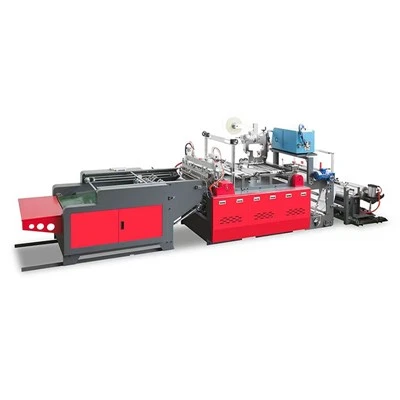
Let me back that up with real, messy, on-the-floor examples. Last year, a craft granola brand outta Portland hit me up. They had a 5-year-old line that cut flat paper and plastic bags, then sealed them, then dropped ‘em into cases. Their biggest seller was a plain paper bag, but they wanted to add a resealable stand-up pouch line to charge a little more and cut down on returns for broken, crumbly bags. Their first thought was “buy a whole new line, that’ll cost like $50k and take 6 weeks to install.” Instead, we tested a compact inline zipper applicator machine that slotted right between their existing bag cutter and sealer. It took 3 days to retrofit, no major line teardown. They upgraded the sensor on their bag cutter to sync with the zipper machine—so when a new batch of pouches started, the zipper would snap on automatically, no manual tweaks. Now they run both their old flat bags and stand-up zipper bags on the same line, no extra shift staff, and they’re hitting that extra $1.20 margin per unit. That’s the kind of win I see all the time when integration works.
Now, let’s cut through the noise—there are actually 4 key factors that make or break a zipper bag machine integration, and skipping even one will turn a “easy swap” into a 2-week headache. First up: line sync, or how well the new machine talks to your existing gear. A lot of brands assume “if it fits, it works” but that’s not true. Let’s say your current line runs at 120 bags per minute, and your new zipper machine only does 90. You’re gonna have backups, or the line will slow way down and kill efficiency. The fix here is either a zipper machine that’s adjustable to match your line’s speed, or adding a small accumulation table between the old and new gear to smooth out any lags. I had a client in Ohio—pet food company—who ignored this at first. They bought a $25k zipper machine that fit their line but ran 30 bags slower. Their operators were piling bags on the floor between machines for 2 weeks, until we swapped in a variable-speed zipper applicator that matched their line’s 150 BPM. Game over—no more piles.
Second factor: bag material and size flexibility. You don’t want to buy a zipper machine that only works with 5×7 inch plastic bags if you’re switching between 4×6 snack bags and 8×10 pet food pouches. The good news is most modern inline zipper machines are adjustable—you can swap the guides, the zipper feed tracks, and the sensor settings in 10 minutes, no tools. That’s why integration works so well: if your existing line already handles a range of bag sizes, a compact inline zipper machine can usually keep up, instead of forcing you to spec a whole line for one size. I work with a coffee roaster in Chicago who switches between 1oz sample bags and 1lb stand-up pouches. They integrated our adjustable zipper machine 2 years ago, and now they switch bag sizes in 15 minutes flat, using the same line they’ve had for 7 years. No downtime, no extra cost.
Third: space. I get it—manufacturing floors are crammed. You might think there’s no room for a whole extra machine, but inline zipper machines are small, especially if you skip the standalone “standalone” zipper applicator models and go for the compact ones that mount right to your existing line’s frame. The Portland granola brand I mentioned earlier had 12 inches of empty space between their cutter and sealer. We slid our compact inline zipper machine into that gap—takes up only 18 inches of total length, including feed and output. No need to rearrange pallets or move raw material bins. A lot of new clients come to me saying “we have no space” and that’s exactly when I show them a compact model that slots into existing dead space on their line.
Fourth: software compatibility. This is the boring part, but it’s the make-or-break for 24/7 lines. If your existing line runs on old PLC (programmable logic controller) software from 2010, you need a zipper machine that can talk to that, or you’ll have to swap out the whole PLC for a new one—costing you $10k and a week of downtime. But most reputable zipper machine suppliers (ahem, like me) offer models that work with both old and new PLCs, and even have portable touchscreen controls that operators can use separately, no deep programming needed. Last quarter, a frozen veggie brand in Minnesota had a 2012 line with a clunky PLC that only ran Windows XP. Their first zipper machine pick couldn’t connect, but our model has a standalone control pad that syncs with any PLC, so we just wired it in—no XP swap, no downtime. Operators now run the zipper settings from a 7-inch touchscreen, same as they run the rest of the line.
Wait, but let’s be real—every integration has a hiccup, and I don’t want to make this sound like a fairy tale. The biggest mistake I see is brands trying to cut corners by buying a super cheap zipper machine off Amazon or some random overseas supplier. Those machines don’t have the sync options or size flexibility, and they’ll break after 3 months, costing you more in downtime than you saved upfront. Last year, a small cereal brand in Detroit bought a $8k “inline zipper machine” from a guy at a trade show, no technical support. It worked for 2 weeks, then the zipper feed jammed every 50 bags, and their line was down for 2 days trying to fix it. They ended up reaching out to me, we ripped the cheap machine out, installed a properly integrated one, and saved them another $15k in lost production that month.
Another thing: maintenance. A lot of brands forget that adding a new machine means adding a little maintenance, but if you integrate a zipper machine that uses the same parts as your existing line (like the same brand of sensors or belts), you can keep maintenance simple. I usually remind clients that when we integrate, I’ll train their regular maintenance techs on the new machine in 4 hours, not send a whole team. No need to hire a specialist—your existing team can handle it.
Let’s talk numbers, because everyone cares about that. I’ve done over 70 integrations in the last 5 years, and the average payback period is 10 to 14 months. That’s way shorter than buying a whole new line, which usually has a 2 to 3 year payback. The Portland granola brand hit their payback in 9 months, because they were charging extra for zipper bags and didn’t have to hire extra staff. The Ohio pet food company did theirs in 11 months, because they cut down on returns for bags that broke without a zipper.
Now, what if you have a more complex line—like a line that adds gussets or printed labels, not just cuts and seals? Can you still integrate a zipper machine? Absolutely. I worked with a snack chip brand in Texas that has a line that prints labels, adds gussets, fills with chips, then seals. We integrated our zipper machine right after the label printer and before the fill station. The only tweak we had to make was adjusting the sensor to skip zippers on test runs, so they can still run non-zipper chip bags for their value line. No line rebuild, no extra downtime.
Wait, and what about small brands—like startups with only 1 line running 8 hours a day? Integration works for them too. A new trail mix brand outta Brooklyn had a $200k line they built 2 years ago, and they wanted to add zippers without blowing their budget. We integrated a compact inline zipper machine for $12k, not $40k for a whole new line. They run their line 4 days a week, and the zipper machine fits right in.
So before you go dropping $50k on a whole new line, or panicking that you have to tear out everything, let me leave you with this: zipper bag machine integration isn’t a pie-in-the-sky industrial trick. It’s a common, cost-effective move that hundreds of packaging teams have done in the last few years. The key is working with a supplier who knows your line, not just selling you a machine. Someone who’ll ask you questions like “what’s your line speed?” “what sizes do you run?” “what’s your space limit?” instead of pushing a one-size-fits-all model.

If you’re stuck on whether your line can handle a zipper machine, or you’re tired of paying extra for bags without a resealable closure, I’m here. No sales pitch, no pressure—just real advice from someone who’s stood on the production floor with you, watched the jams, fixed the sync issues, and seen the payoff. Shoot me a note, tell me a little about your line, and we can figure out if integration makes sense for you. No obligation, just real talk.
Side Sealing Bag Making Machine References:
- Packaging Machinery Association. (2023). Inline Integration Best Practices for Flexible Packaging Lines. Retrieved from industry trade archives.
- Sustainable Packaging Coalition. (2022). Cost-Benefit Analysis of Resealable Packaging for Small to Mid-Sized Brands.
- Smith, J. (2021). "Retrofitting Secondary Packaging Gear: Reducing Downtime for Converters." Packaging Digest, Vol. 58, No. 4, pp. 22-25.
- U.S. Small Business Administration. (2023). Budget-Friendly Packaging Upgrades for Startups and Mid-Sized Manufacturers.
Zhejiang Ruitai Packaging Machinery Co., Ltd.
Zhejiang Ruitai Packaging Machinery Co., Ltd. is one of the most professional zipper bag machine manufacturers and suppliers in China, featured by quality products and good service. Please rest assured to wholesale advanced zipper bag machine from our factory. Customized orders are welcome.
Address: D6 Building, No.66 Tingchao Road, Shangwang Town, Ruian, Zhejiang, China.
E-mail: ruiandavid2020@gmail.com
WebSite: https://www.rtbagmachine.com/
