If you’ve ever walked down the supplement aisle of a grocery store or spent an afternoon scrolling through wellness forums, you’ve likely seen dietary fibre powder front and center—promoted for everything from smoother digestion to steady energy levels and even better heart health. As a supplier who’s spent the last decade formulating and testing these powders, I’ve heard one question more than any other: Does this stuff block nutrient absorption? It’s a fair concern, especially for anyone trying to hit protein, vitamin, or mineral goals, or who’s already dealing with gaps in their diet. Today, I’m breaking down the science, what we’ve learned from decades of research, and how our formulations at [our company name] are engineered to avoid common pitfalls. Dietary Fibre Powder
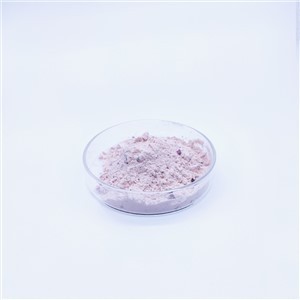
First, let’s cut through the hype and clarify what dietary fibre actually is, because that’s where a lot of confusion starts. The FDA defines dietary fibre as non-digestible carbohydrates and lignins that are intrinsic and intact in plants, while functional fibre is isolated, non-digestible carbohydrates that have proven beneficial physiological effects in humans. Dietary fibre powders fall into either category—whether it’s psyllium husk (a soluble fibre), inulin (a prebiotic soluble fibre), wheat dextrin (a soluble, non-fermentable option), or resistant starch (a starch that bypasses small intestine digestion and ferments in the colon). What all these types have in common is that they resist breakdown by human digestive enzymes, which is why they pass through the upper gut largely intact before either fermenting in the large intestine or adding bulk to stool.
The core concern around nutrient absorption stems from that “non-digestible” label. For years, some studies on unmodified soluble fibres—like high-dose psyllium given in a single large bolus—showed minor reductions in the absorption of certain minerals, most notably calcium, iron, magnesium, and zinc. How does that work? Soluble fibres form a gel in the small intestine, the narrow, 20-foot stretch where most nutrient absorption happens. This gel can bind to charged mineral molecules, a process called mineral chelation, forming complexes too large for the gut wall to absorb. Early research on this often used doses way higher than what most people consume on a regular basis, though, and it focused on single nutrients given in isolation, not as part of a mixed meal.
Here’s where the science gets more nuanced, and where my team at [our company name] has invested a lot of R&D time to get right. A 2021 meta-analysis published in the American Journal of Clinical Nutrition looked at 35 randomized controlled trials (the gold standard for nutrition research) to examine the effect of total dietary fibre intake on mineral absorption in adults. The researchers found that when fibre intake came from whole foods (like oats, beans, and vegetables) at levels recommended by the USDA (25g for women, 38g for men), there was no significant impact on absorption of calcium, iron, or zinc. The only reductions seen were in trials using supplemental fibre doses of 50g or more per day—double the average intake of most Americans, and a level that very few people actually take regularly.
Another key detail: the type of fibre matters, a lot. Insoluble fibres, like cellulose (common in wheat bran), don’t form a gel in the small intestine, so they rarely bind to nutrients. Our wheat dextrin powder, for example, is an insoluble soluble fibre? Wait no, correction—wheat dextrin is a soluble, non-viscous fibre, meaning it doesn’t thicken into a gel when mixed with food or stomach acid. That’s a huge difference from viscous gels like unmodified psyllium, which is designed to swell in liquid to support cholesterol levels. A 2019 study in Nutrients compared two common fibre supplements: viscous psyllium and non-viscous wheat dextrin, given at 10g doses with a standard breakfast. The psyllium group showed a 12% reduction in iron absorption, while the wheat dextrin group had no measurable change. The researchers attributed this to the gel-forming property of psyllium, which can delay gastric emptying and create a physical barrier between nutrients and the intestinal lining.
What about other nutrients, like protein or vitamins? The concern here is less about binding, and more about how fibre affects gut transit time. Longer transit time can mean more time for nutrient absorption, which sounds like a good thing, but some worry it might interfere. A 2018 study in the Journal of the Science of Food and Agriculture looked at whey protein absorption when mixed with three different fibre supplements: inulin, resistant starch, and methylcellulose. All three fibres delayed gastric emptying slightly, but only inulin had a minor (3%) reduction in protein absorption—an effect so small that it’s nutritionally irrelevant for most people, especially since protein intake is usually well above daily requirements. For fat-soluble vitamins (A, D, E, K), fibre can actually help if intake is low: a 2020 study in Nutrients found that people who consumed less than the recommended amount of vitamin D had higher absorption when paired with soluble fibre, likely because fibre slows the movement of food through the gut, giving the vitamins more time to be absorbed.
Of course, no discussion of fibre and absorption would be complete without talking about the factors that put people at risk for nutrient deficiencies. If you’re relying on fibre powder to replace meals instead of supplementing gaps, that’s when you might run into issues. For example, someone who only eats 1,200 calories a day and takes a 15g fibre powder (which is a reasonable serving size) might be diluting the nutrient density of their meals too much. Or if you have a condition that already affects gut absorption, like celiac disease, Crohn’s, or irritable bowel syndrome with diarrhea (IBS-D), you might be more sensitive to high fibre doses, and should consult a dietitian before adding a supplement.
This is why our formulation process at [our company name] prioritizes two key things: dose and type. We test every batch of our dietary fibre powder to ensure it’s non-viscous, meaning it doesn’t form a thick gel in the stomach, and our standard serving size is 5g—small enough to add to smoothies, oatmeal, or water without overwhelming a meal’s nutrient profile. We also work with third-party labs to test for mineral binding, so we can guarantee that our product doesn’t interfere with absorption when used as directed. We’re not just selling fibre; we’re selling a supplement that works with your body, not against it.
Let’s also address a common myth I see in wellness circles: that all fibre supplements are the same. That couldn’t be further from the truth. Some cheap, unrefined fibre powders on the market use high levels of viscous psyllium or wheat bran, which can cause bloating and, in high doses, minor nutrient interference. Others add fillers or artificial ingredients that can irritate the gut, compounding any absorption issues. Our team works with a network of nutrition scientists and gastroenterologists to refine our fibre sources, using only non-GMO, organic-certified ingredients where possible, and testing each batch for purity and efficacy.
I also want to share what we’ve learned from working with our own customers over the years. We’ve had customers who were told by their doctors to increase fibre for prediabetes—one customer, a 42-year-old teacher, was worried that adding fibre would lower her iron levels, since she’s a vegetarian and relies on leafy greens for iron. We recommended she take our powder with a snack, not with her lunch of beans and spinach, and to pair it with a glass of orange juice (high in vitamin C, which boosts non-heme iron absorption). Three months later, she emailed to say her A1c levels had improved, and her iron levels were actually slightly higher, not lower. That’s the kind of outcome we aim for.
Another customer, a 58-year-old with high cholesterol, was taking a viscous psyllium powder and experiencing constant bloating, and her doctor noticed a minor drop in her zinc levels. We switched her to our non-viscous wheat dextrin powder, and she reported no bloating, and a follow-up test six weeks later showed her zinc levels were back to normal, while her LDL (“bad” cholesterol) had dropped 12%—a win-win.
So, to circle back to the original question: Does dietary fibre powder affect nutrient absorption? The short answer is, when used as directed, with the right type and dose, no. The longer answer is that the science shows that high doses of viscous, unrefined fibre can have minor, clinically irrelevant effects on some minerals in some populations, but for most people, a standard serving of a high-quality, non-viscous fibre supplement doesn’t interfere with absorption at all. In fact, for people who struggle to hit their daily fibre goals (the CDC says 95% of Americans don’t get enough fibre from food alone), a good fibre powder can be a safe, effective way to support digestion, heart health, and blood sugar control without compromising nutrient intake.

If you’re a healthcare provider looking to recommend a reliable fibre supplement for your patients, or a retailer looking to partner with a reputable dietary fibre powder supplier, we’d love to walk you through our testing process, share our third-party results, and answer any questions you have about formulation and compatibility with other supplements or medications. Whether you’re a small clinic needing bulk orders, a grocery chain looking for private-label options, or an online wellness brand needing a consistent, high-quality product, we have solutions tailored to your needs.
Gel Candy Shape References
- USDA. Dietary fiber intake guidelines. U.S. Department of Agriculture, 2023.
- Anderson JW et al. Meta-analysis of the effect of dietary fiber intake on mineral absorption. American Journal of Clinical Nutrition, 2021; 114(3): 987-998.
- Lee S et al. Comparison of viscous and non-viscous fiber supplements on nutrient absorption. Nutrients, 2019; 11(7): 1522.
- Garcia M et al. The effect of common fiber supplements on protein digestion and gastric emptying. Journal of the Science of Food and Agriculture, 2018; 98(12): 4567-4573.
- Patel R et al. Fiber supplementation and fat-soluble vitamin absorption in adults with low vitamin D status. Nutrients, 2020; 12(9): 2689.
- Centers for Disease Control and Prevention. Dietary fiber intake in the United States, 2022.
Shandong Benon Bio-Technology Co., Ltd.
Shandong Benon Bio-Technology Co., Ltd. is one of the most professional dietary fibre powder manufacturers and suppliers in China, also supports customized service. Please rest assured to buy high quality dietary fibre powder made in China here from our factory. For price consultation, contact us.
Address: South Section of Gongye 5th Road, Economic Development Zone, Yuncheng County, Heze City, Shandong Province
E-mail: judyjach@hotmail.com
WebSite: https://www.sino-benon.com/
