Yo, what’s up, tech lovers! I’m a supplier of Soft OLED screens, and I often get asked about how the image quality of these screens degrades over time. So, I thought I’d share my insights on this topic. Soft OLED Screen
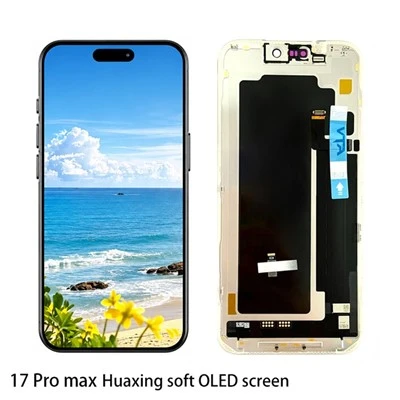
First off, let’s talk about what Soft OLED screens are. OLED stands for Organic Light-Emitting Diode. Unlike traditional LCD screens that need a backlight, OLED pixels emit their own light. Soft OLED screens, in particular, are flexible, which makes them great for all sorts of cool tech, like foldable smartphones and curved displays.
So, how does the image quality of Soft OLED screens go downhill as time passes? Well, there are a few key factors at play.
Burn – in
One of the biggest issues with Soft OLED screens is something called burn – in. Burn – in happens when a static image is displayed on the screen for a long time. The pixels that are constantly showing that image start to degrade faster than the others.
Let’s say you’re constantly using your phone with a navigation app open. The map and the UI elements of that app stay in the same place on the screen. Over months or even years of regular use, you might start to notice a faint ghost image of those elements even when you’re using other apps. This is because the pixels that were always lit up to show the navigation UI have aged more quickly.
The reason behind this is the organic materials in the OLED pixels. These materials are more prone to degradation when they’re constantly emitting light. Over time, the ability of these materials to produce light effectively decreases, leading to differences in brightness levels between pixels. And that’s what causes the burn – in effect.
Color Shift
Another aspect of image – quality degradation is color shift. As the organic materials in the OLED pixels break down over time, the way they emit different colors can change. Soft OLED screens are designed to produce a wide range of accurate colors, but as the pixels age, the balance can be thrown off.
For example, the blue sub – pixels in an OLED screen tend to degrade faster than the red and green ones. Blue pixels use a different type of organic material, which is just not as stable. As the blue pixels lose their brightness and purity, the overall color balance of the screen changes. You might start to notice that the colors on your screen look a bit duller or that there are slight color inaccuracies. This can be a real bummer, especially if you’re someone who uses their device for things like photo or video editing, where color accuracy is super important.
Brightness Loss
Brightness loss is also a common problem with Soft OLED screens as they get older. The organic materials that make the pixels light up gradually lose their ability to produce light at the same intensity. When you first get a device with a Soft OLED screen, it’s usually nice and bright, making it easy to see in different lighting conditions. But as time goes on, you might find that you need to turn up the brightness settings more and more to get the same level of visibility.
The process of brightness loss is a result of the continuous electrical current flowing through the pixels. Every time you use your device, the current causes chemical reactions in the organic materials, which slowly break them down. This reduces the efficiency of the light – emitting process, leading to a dimmer screen.
Age of the Screen
The overall age of the Soft OLED screen also plays a major role in how its image quality degrades. Just like any other component, the longer a screen has been in use, the more wear and tear it experiences. The organic materials in the pixels are subject to a variety of environmental factors as well, like heat, humidity, and even the amount of sunlight they’re exposed to.
For instance, if you live in a hot and humid climate, the degradation process can be accelerated. The heat can speed up the chemical reactions that break down the organic materials, and humidity can cause corrosion in some of the screen’s components. On the other hand, if you take good care of your device and keep it in a cool, dry place, you can slow down the degradation to some extent.
Usage Patterns
Your usage patterns can also have a big impact on how quickly the image quality of a Soft OLED screen degrades. If you’re someone who uses their device for long hours every day, with high – brightness settings and a lot of static images, the screen is going to age faster.
For example, gamers who play the same game for hours on end with a static UI on the screen are more likely to experience burn – in. Similarly, people who work on their laptops with a fixed desktop background and toolbar for extended periods might notice image – quality issues sooner.
On the flip side, if you use your device sparingly, with lower brightness settings and a lot of different types of content, the screen will last longer. So, it’s all about how you treat your device.
How to Minimize Degradation
As a Soft OLED screen supplier, I know that no one wants their screen to lose its image quality quickly. So, here are some tips to help you minimize the degradation:
- Avoid Static Images: Try not to leave the same image on the screen for too long. If you’re using an app with a static UI, take breaks or switch to different apps regularly.
- Lower Brightness: Keeping your screen at a lower brightness level can reduce the stress on the pixels. You can still adjust it when you need more brightness, but using it at a high setting all the time is not a good idea.
- Use Screen Savers: Screen savers can help prevent burn – in by changing the image on the screen when it’s not in active use.
- Keep it Cool: Avoid exposing your device to extreme heat. If you’re using it in a hot environment, try to take breaks and let it cool down.
Why Choose Our Soft OLED Screens
Even though Soft OLED screens do degrade over time, our screens are designed to offer the best possible performance and longevity. We use high – quality organic materials that are more resistant to degradation. Our manufacturing process is top – notch, ensuring that each screen is built to last.
We also offer great support and warranties for our products. So, if you do run into any issues with image quality, we’re here to help. Whether you’re a manufacturer looking for screens for your next – gen devices or a retailer looking for high – quality products to sell, we’ve got you covered.
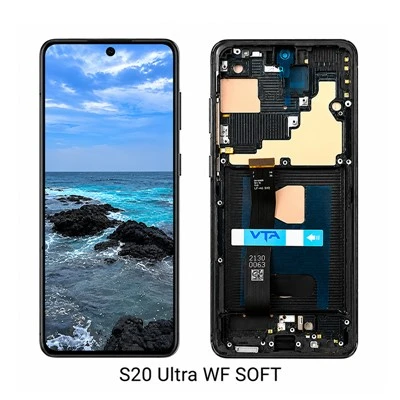
If you’re interested in working with us and want to purchase our Soft OLED screens, don’t hesitate to reach out. We can have a good chat about your specific needs and how our screens can fit into your projects.
References
- "Organic Light – Emitting Devices: Concepts, Materials, and Applications" by Dieter Neher
- "Advanced Organic Semiconductors for Electronic and Optoelectronic Applications" by Mark A. Ratner et al.
Screen for Iphone That’s all for now, folks! I hope this post gave you a good understanding of how Soft OLED screen image quality degrades over time.
Shenzhen Longze Crossborder Ecommerce Development Co., Ltd.
Shenzhen Longze Crossborder Ecommerce Development Co., Ltd. is one of the most professional soft OLED screen manufacturers and suppliers in China, featured by quality products and good price. Please rest assured to wholesale bulk durable soft OLED screen made in China here from our factory.
Address: 302, Building B, Shengyang Technology Park, No. 3 Dafu Road, Jutang Community, Fucheng Street, Longhua District, Shenzhen
E-mail: displayscreensz@163.com
WebSite: https://www.lzphonedisplay.com/
