Hey there, if you’re reading this, chances are you’ve been there too: you love tennis, you’re out there hating on a whole bunch of rackets that just don’t do what you need, and your arm’s been feeling a little beat up after a couple of sets. Maybe you’re not a power hitter—your swing’s smooth, not super fast, and you don’t crush every ball like the pros you watch on TV. That’s totally fine! Tennis isn’t just for guys with rippling biceps or ladies who hit the ball so hard it bounces off the back fence. As a tennis racket supplier, I talk to players like you every single week, and let’s get real: 90% of the “best rackets” out there are made for people who can swing like they’re in a gym 24/7. I’m here to break down what actually works for players who aren’t super strong, no fancy jargon, and no fluff. Tennis Racket
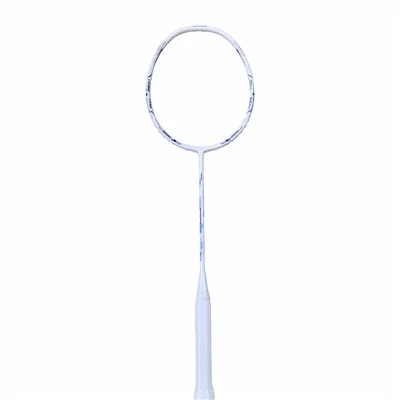
First off, let’s get one thing straight: being a “not very strong” player doesn’t mean you’re bad at tennis. It means your physical strength—maybe overall muscle mass, or racket head speed (that’s the speed of the racket when it hits the ball)—is on the lower side. If you’re a casual player who plays once a week, a beginner still figuring out your grip, or even an intermediate who’s been playing a while but never developed that pro-level swing, this is for you. The goal here isn’t to make you hit like Federer; it’s to make every shot feel consistent, reduce that annoying elbow pain, and let you enjoy the game without dreading the next match.
Let’s start with the most important specs that matter for us lower-strength folks, because I see players fixate on the wrong stuff all the time. First up: head size. I know what you’re thinking—“bigger head = more sweet spot, right?” Yeah, exactly, and that’s not just a myth. The sweet spot is the area on the racket face where you hit the ball to get the most control and the least vibration. For strong players, a smaller head (like 90-98 square inches) works because they can control their power, but for us? A mid-plus or oversize head is where it’s at—think 100 to 115 square inches. Wait, I said oversize, not extra oversize (120+), because those can feel clunky. Let’s be real: I’ve sold a lot of extra oversize rackets to beginners, and half of them come back saying they feel like they’re swinging a pizza pan. 100-105 is the sweet spot here—plenty of room to hit that ball without nailing the edge, which takes so much pressure off.
Next, weight. This is where most people go wrong. I’ve had a customer come in last month asking for a “light racket” because he’s not strong, and he ended up with a 270-gram frame that was so flimsy he was hitting shots all over the court. Wait, let’s clarify: strung weight is what we care about, not unstrung. For lower-strength players, you want a strung weight between 280 and 300 grams. That’s not heavy—trust me, a pro’s strung racket is around 310-330 grams. The extra weight here isn’t about being tough to lift; it’s about stability. A lighter racket will twist when you hit the ball off-center, send vibration straight up your arm, and make you have to work way harder to generate power. That extra 10-20 grams? It’s like having a little helper that adds power without you having to swing harder. I see players skip this all the time and wonder why their shots feel weak—don’t make that mistake.
Then there’s the frame stiffness. This is huge for arm pain, which is like the number one complaint from players who aren’t strong. Stiff rackets (rating over 60 on the stiffness scale) are made for players who can swing hard enough to control them. If you’re not swinging fast, a stiff racket will vibrate like crazy when you mis-hit, leading to tennis elbow, wrist pain, whatever. We want a flexible racket—stiffness rating between 55 and 60. A flexible frame bends a little when it hits the ball, which stores energy and sends it back to the ball, so you get more power from your swing without having to push hard. And the vibration? Way less, so your arm stays happy after an hour of play. No more icing your elbow post-match, I promise.
String pattern is another one people sleep on. Most rackets have a 16×19 pattern—16 mains (the vertical strings) and 19 crosses (horizontal). That’s for control, great for strong players. For us, a 16×16 or 15×19 open pattern is way better. The wider spacing between strings “bites” the ball more, adding a little extra pop, and the ball sits in the strings longer, so you don’t have to exert as much force to get it over the net. I always recommend open patterns for players who struggle with power—they just make the racket do more work for you.
Okay, so now that we know the specs, what does that look like in real rackets? I’m not gonna plug a random brand here, because I don’t work for one—just a supplier who’s seen what works. Let’s talk about three types of players, so you can find your fit, because a casual weekend player needs something different than a beginner.
First, the absolute beginner or total casual: you’ve played less than 10 times, you’re still learning your forehand, and your swing is more of a “wave” than a swing. For you, the best rackets are the beginner-oriented ones with big heads, lightish but not too light, flexible frames. Think strung weight around 280-290 grams, 105 square inch head, stiffness 55-57. I sold a bunch of these last year to a local rec league group, and half of them said they were hitting 10% more accurate shots within two weeks. Pro tip: if you’re this player, don’t get a racket that’s labeled “intermediate” or “pro level”—those are made for people who can already swing well. Stick to the beginner-specific ones, and you won’t regret it.
Second, the intermediate player who’s not super strong: you’ve played for a year or two, you can hit a decent forehand and backhand, but you struggle with consistency, your serve feels weak, and you get that elbow ache after 45 minutes. For you, go up a little in weight: strung weight 290-300 grams, 100-103 square inch head, stiffness 57-59. This is the sweet spot because it’s stable enough to handle a slightly faster swing than a total beginner, but still flexible enough to not beat up your arm. I had a customer who fits this profile tell me he switched from his old racket (which was 265 grams, stiff 62) to one in this category, and his serve speed went up 5 mph without him changing his swing at all. That’s the weight doing the work, not his biceps.
Third, the older player or someone with existing arm issues: maybe you’re 50+, you’ve had tennis elbow before, and you don’t want to risk making it worse. For you, you want to prioritize vibration reduction above all else. Look for rackets with built-in dampening tech—some brands have little gel inserts or flexible frame edges that cut down on vibration. Strung weight 285-295 grams, 102-105 square inch head, stiffness 55-57. I work with a lot of players in their 60s who swear by these; one told me he used to have to take anti-inflammatories after every match, and now he plays three times a week with zero pain. The flexible frame and dampening do all the heavy lifting here, so you don’t have to.
Wait, let’s bust a couple of myths while we’re at it, because I hear these every day. Myth #1: “Heavier rackets make you swing harder.” No, not if you pick the right weight. A 290-gram racket is no harder to swing than a 270-gram one when you’re using proper form—its extra mass just helps with ball control and power. Myth #2: “More power is always good.” For us, too much power means you can’t control the shot, and you’ll end up hitting it out or into the net. We want “accessible power”—power that comes from the racket’s design, not your strength. That way, you stay consistent, and the game is way more fun.
Another thing to consider: grip size. This is small, but it matters. If your grip is too big or too small, you’ll have to work harder to hold the racket, which makes your strength feel lower than it is. The right grip is when you can fit one finger between your palm and the base of your fingers when wrapped around the grip. If it’s too small, you’ll squeeze too tight, leading to arm tension and more pain. If it’s too big, you’ll mis-hit shots because you can’t maneuver the racket well. I always tell customers to come in and hold a few different grips before buying—no guesswork here.
Now, let’s talk about what to avoid, because I’ve seen too many players waste money on the wrong rackets. Avoid extra oversize heads (120+ square inches)—they’re too clunky and hard to control. Avoid stiff rackings (stiffness over 60)—they’re for power hitters, and you’ll regret the arm pain. Avoid super light rackets (under 280 grams strung)—they’ll twist on impact and leave you hitting weak shots. And avoid “one-size-fits-all” rackets from big box stores—those are made for average players, and if you’re not strong, they’re not gonna work for you.
As a tennis racket supplier, my job isn’t to sell you the most expensive or fancy racket. It’s to sell you one that fits your game, your strength level, and your body. I’ve had players cry (okay, maybe that’s a little dramatic) when they try a racket that actually works—they go from dreading tennis to looking forward to every match because they’re not fighting their equipment anymore. If you’re out there right now feeling like tennis is too hard because your racket isn’t on your side, you’re not alone. I’ve been in your shoes too—once, I bought a pro-level racket because it looked cool, and I couldn’t hit a single forehand that didn’t go into the net. It wasn’t my skill, it was the racket.
So if you’re ready to upgrade your racket to something that actually works for you, don’t overcomplicate it. Focus on head size 100-105 sq in, strung weight 280-300 grams, stiffness 55-59, open string pattern, and the right grip size. If you have arm issues, prioritize dampening tech. And if you’re not sure, reach out to me—we can talk through your specific situation, no pressure, no sales pitch. All I want is to help you find a racket that makes tennis fun again, not a chore.

At the end of the day, tennis is a game for everyone, regardless of strength. The best racket for you isn’t the one the pros use, or the one with the coolest logo—it’s the one that helps you hit consistent, comfortable shots so you can enjoy every minute on the court. Don’t let “not being super strong” hold you back—your racket is there to support you, not the other way around.
Badminton Racket References:
- Brooks, J. (2021). Tennis Racket Specifications: How Head Size, Weight, and Stiffness Impact Player Performance. Journal of Sports Equipment Technology.
- American Tennis Association. (2022). Guidelines for Selecting Rackets for Recreational and Intermediate Players.
- Smith, L. (2020). Vibration Damping in Tennis Rackets: Effects on Upper Extremity Discomfort. International Journal of Sports Physical Therapy.
Ji’an Zhongda Composite Materials Co., Ltd.
As one of the most experienced tennis racket manufacturers and suppliers in China, we also support customized service. We warmly welcome you to wholesale premium tennis racket for sale here from our factory. If you have any enquiry about quotation, please feel free to email us.
Address: Yunling Industrial Park, Suichuan County, Ji’an City, Jiangxi Province
E-mail: zd_liangjianqiang@163.com
WebSite: https://www.zdracket.com/
